Building, Fire & Code Violations
Review Building Department, Fire Department and Code Enforcement notices, inspection comments, cited conditions, deadlines and the likely correction path.

 Code Violations • Stop-Work Orders • Red Tags • Permit Closeout
Received a code violation notice or stop-work order? GL Lewis Construction Services helps property owners plan corrective construction by reviewing the property, agency notice and available plans, then coordinating the design, engineering, permitting and work scope. Share the notice, property location and photos to request a project review.
A code violation or stop-work order may involve the building department, fire marshal, code enforcement, zoning, property records, unpermitted work, unsafe conditions, plan deficiencies, specialty trades, inspections, hearings and legal deadlines. GL Lewis coordinates the construction response so the owner has one project team managing the documents, permits, corrections and closeout tasks within the written scope.
Review Building Department, Fire Department and Code Enforcement notices, inspection comments, cited conditions, deadlines and the likely correction path.
Respond quickly to posted orders, preserve the notice, stop the cited work, determine the conditions for resuming work and coordinate the required permit and construction response.
Legalize additions, alterations, conversions, roofing, structural, electrical, plumbing, mechanical or exterior work completed without permits or outside the approved scope.
Research old permits, failed inspections, missing finals and abandoned-contractor projects; coordinate change-of-contractor documentation, corrections, inspections and closeout.
Coordinate evaluation, temporary protection, engineered repairs, rehabilitation or demolition planning for damaged, deteriorated, vacant or unsafe buildings.
Coordinate structural, electrical and related evaluations and corrective work for 25-, 30-, 40- or 50-year recertification programs where required by the local jurisdiction.
Prepare submissions, organize missing records, coordinate design revisions, respond to plan-review comments and track approvals with the applicable city or county.
Complete approved demolition, structural repair, framing, drywall, roofing, envelope, accessibility, firestopping and licensed specialty-trade corrections.
Coordinate testing, reinspections, final inspections, Certificates of Completion or Occupancy, Certificate of Use and business-license support where included and available.
The required response depends on the building type, occupancy, zoning, work already performed, permit record, concealed conditions and authority having jurisdiction. GL Lewis handles corrective construction and coordinates the design and inspection professionals required for the approved path.
Retail, restaurants, offices, medical spaces, assembly uses and tenant improvements with permit, occupancy, accessibility, life-safety or inspection deficiencies.
Single-family homes, additions, accessory structures, garage or room conversions, patios, decks, roofs, windows and interior alterations completed without approvals.
Apartments, condominiums, hotels and motels involving occupied phasing, egress, rated assemblies, building systems, exterior repairs and unit corrections.
Pre-engineered metal buildings, warehouses, storage, manufacturing and service facilities with structural, use, fire, site or permit deficiencies.
Deteriorated or damaged structures requiring assessment, stabilization, protection, rehabilitation, change of use, demolition or documented corrective work.
Properties under contract or being refinanced where open permits, liens, unpermitted work, violations or missing certificates may delay closing, insurance or occupancy.
Projects left incomplete, failed or open by a prior contractor, including change-of-contractor coordination, missing documents, corrective scope and final inspections.
Illegal units, setbacks, parking, drainage, fences, walls, sheds, signs, outdoor work, encroachments or property uses requiring zoning and construction coordination.
Construction documentation and coordination for projects that also require association review, board approval, architectural-control approval or common-area access.
A permit consultant may organize paperwork and an engineer may prepare a report, but many violations close only after the physical construction is corrected and passes inspection. GL Lewis coordinates both the design professionals and the corrective construction under one design-build process.
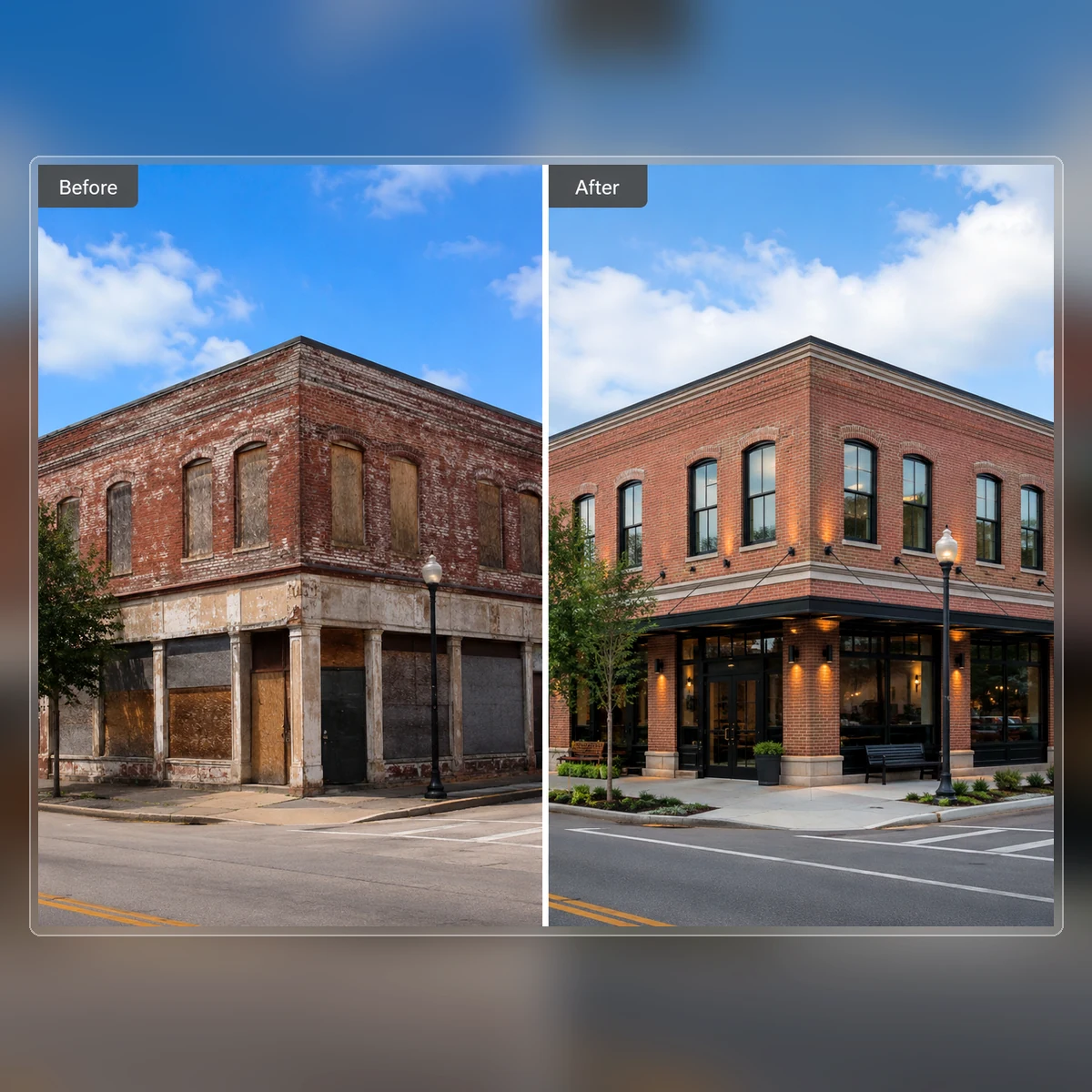
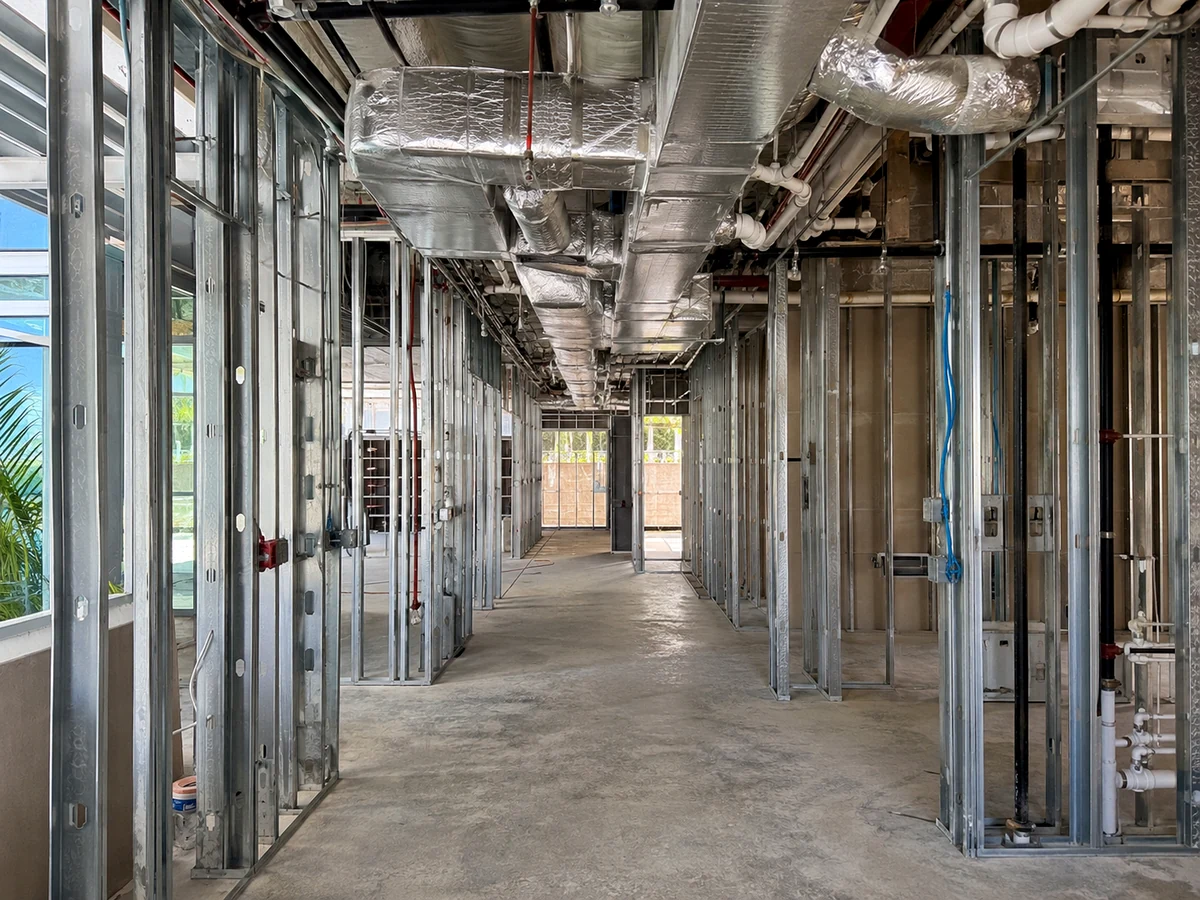

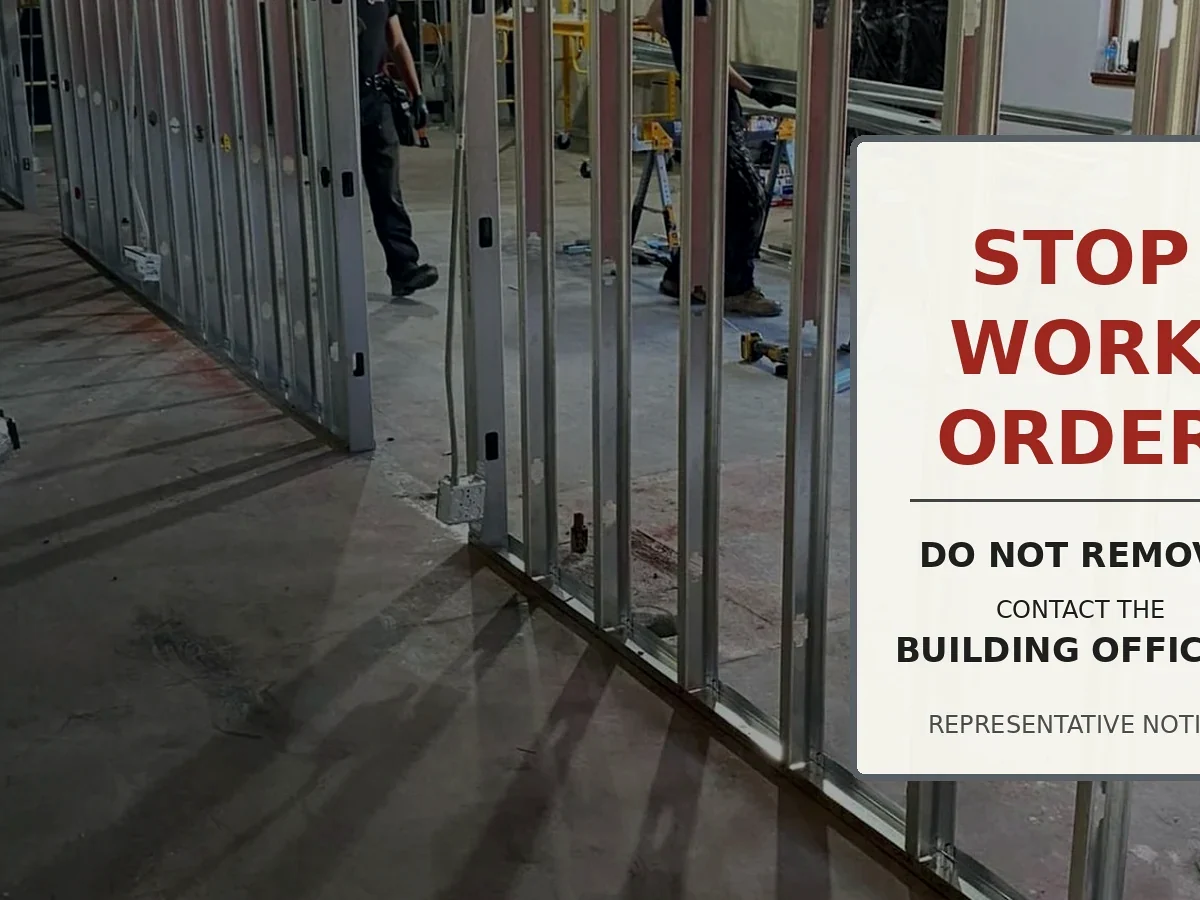
Stop the work covered by the order, preserve notices, protect the area and document conditions before anything is concealed or removed.

Review notices, permits, approved plans and inspection history, then compare them with the existing construction and visible deficiencies.
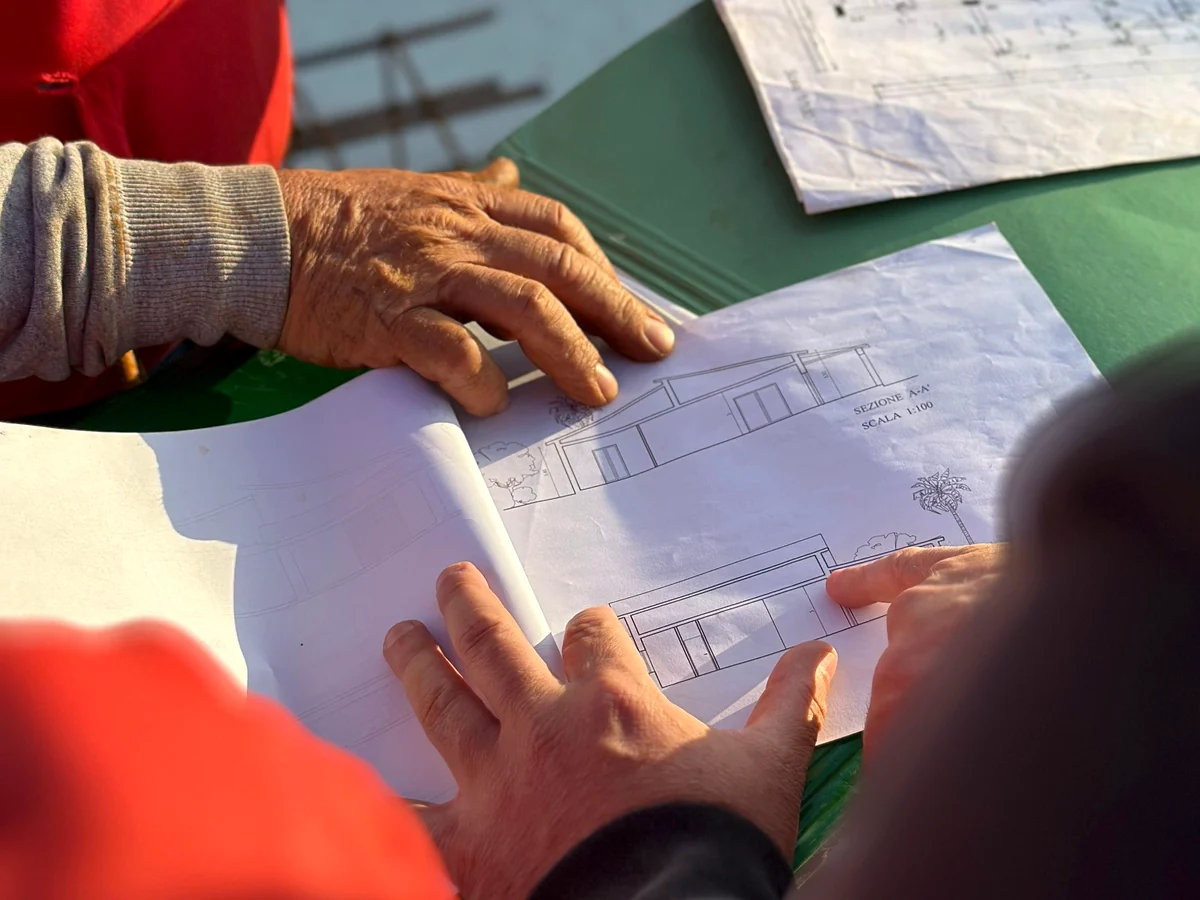
Coordinate architectural, structural, civil and MEP documents, reports, testing and signed-and-sealed permit requirements.

Submit the permit package, respond to agency comments and obtain written approvals before restarting the cited work.
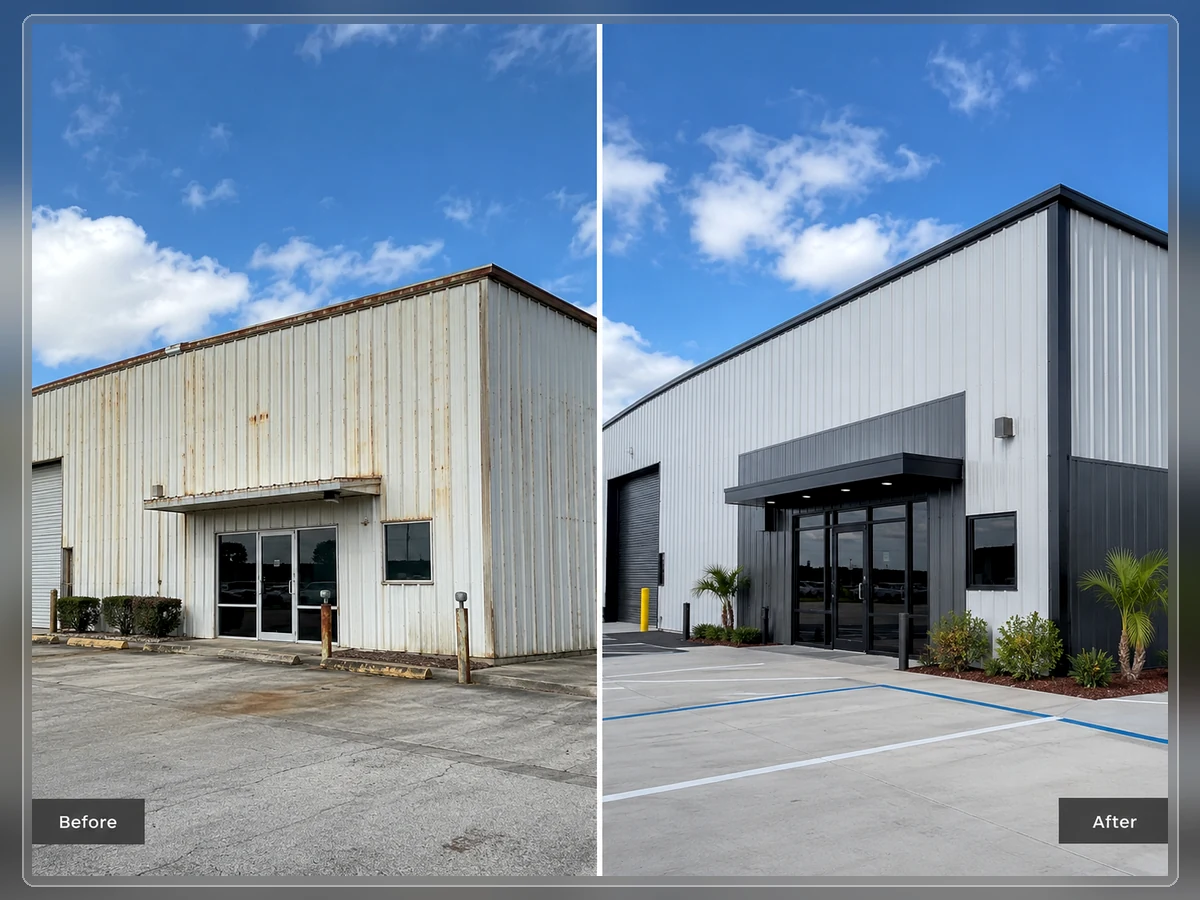
Complete approved demolition, rebuilding, structural, fire-resistance, accessibility and specialty-trade corrections.

Coordinate required tests, private-provider services when allowed, jurisdictional inspections and correction responses before concealment.
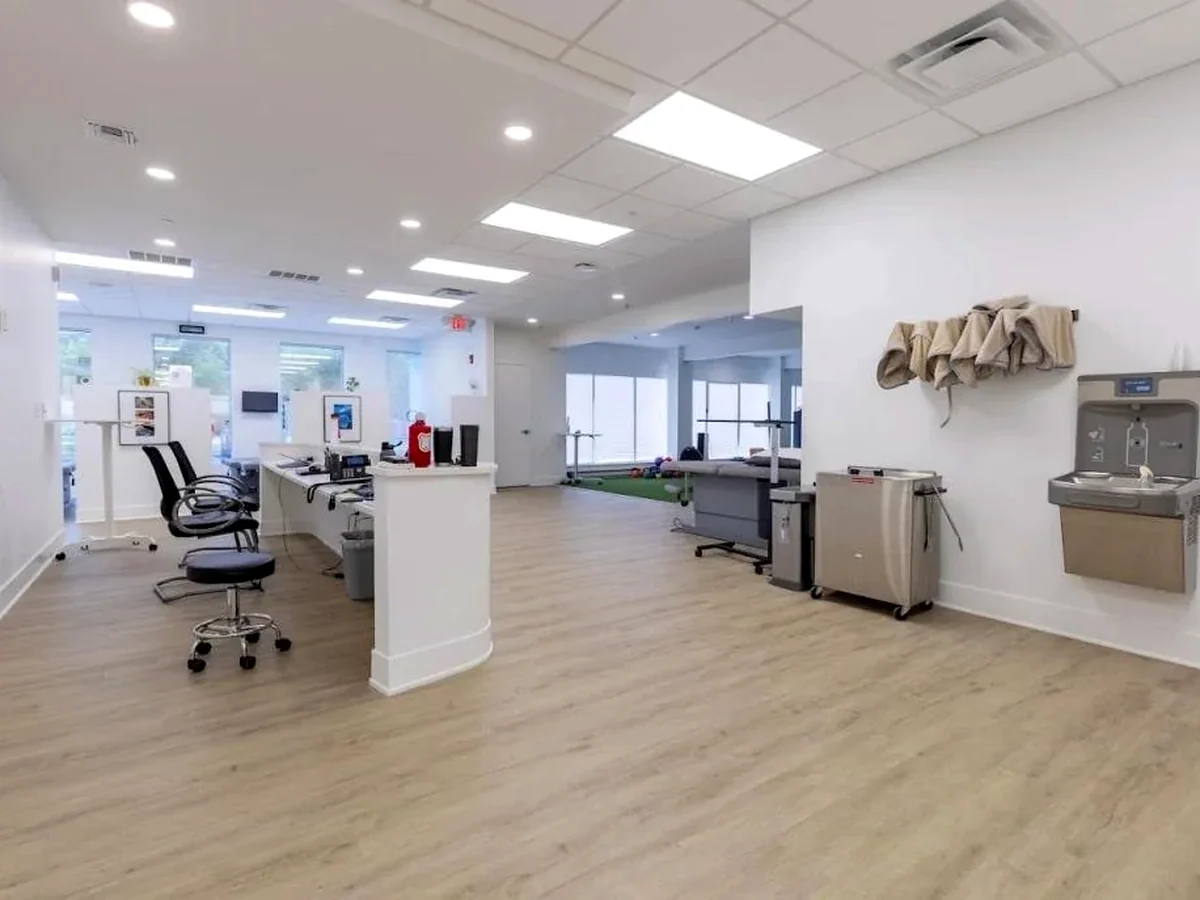
Complete punch-list items, schedule reinspections and obtain acceptance of the permitted correction scope.
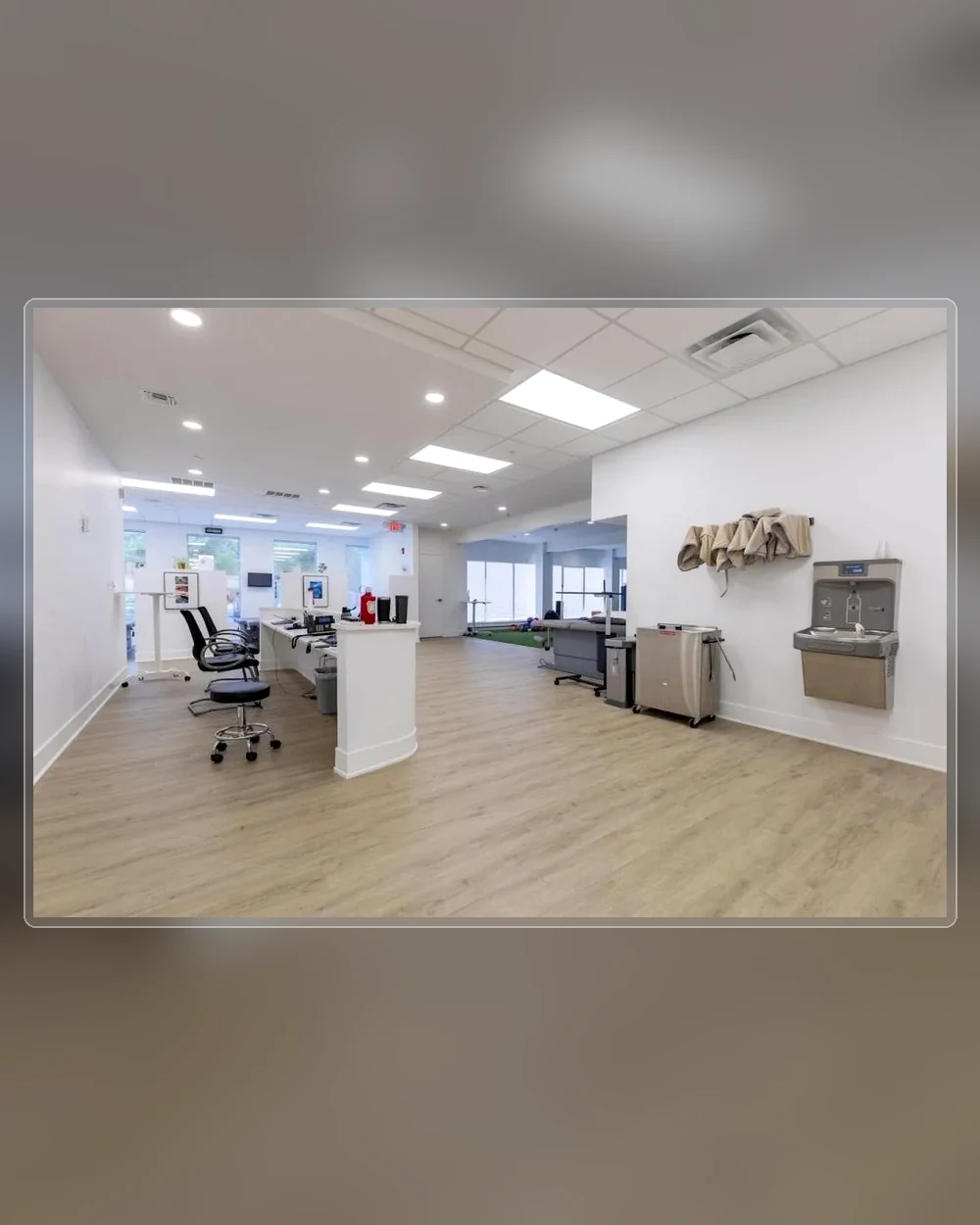
Organize final records, Certificates of Completion or Occupancy and compliance evidence; only the issuing authority can close the case or release the order.
Representative photography is used for service illustration. Images are not identified as completed GL Lewis projects unless separately stated and approved. Visit the GL Lewis Project Portfolio for published project photographs.

Code enforcement, zoning, building and fire officials may compare current conditions with approved plans, permit history, property-appraiser records, prior inspection files and publicly available property photographs. Continuing work without authorization can add violations, delay the permit and increase demolition or reconstruction costs.
Review violation notices, stop-work orders, open and expired permits, failed inspections, approved plans, property records, contractor history and agency deadlines.
Coordinate construction-related communications, meetings, submittals, comment responses, inspection scheduling and compliance documentation with the applicable departments.
Coordinate existing-condition, demolition, floor-plan, life-safety, egress, accessibility, reflected-ceiling, finish, detail and permit drawings as required.
Coordinate foundations, framing, openings, repairs, stabilization, site, drainage, parking, accessibility routes and related engineering documents and reports.
Coordinate building-system drawings, capacity review, equipment, distribution, ventilation, plumbing, service, alarms, sprinklers and fire-resistance scope as needed.
Coordinate documents prepared, signed and sealed by the appropriate Florida-licensed architect or engineer. GL Lewis manages the design-build team but does not act as the architect or engineer of record.
Coordinate qualified private-provider or third-party building-code services when legally available, properly contracted, timely noticed and accepted or audited by the jurisdiction.
Organize applications, resolve missing information, coordinate revisions, resubmit corrected documents and track the permit through agency review.
Coordinate takeover documentation, open-permit review, missing inspections, correction scope and completion planning when a prior contractor left the project unfinished.
Manage demolition, structural repair, framing, drywall, roofing, windows, doors, envelope, accessibility, firestopping and licensed electrical, plumbing, HVAC and fire-protection work.
Coordinate stabilization, engineered repairs, rehabilitation, demolition, structural and electrical recertification corrections and required follow-up documentation.
Prepare construction records and attend construction-related meetings within scope. Special-magistrate representation, appeals, fine reduction, lien negotiation or legal disputes may require a Florida attorney and title professionals.
Coordinate construction and inspection items associated with a Certificate of Occupancy, Certificate of Completion, Certificate of Use or local business-tax licensing where part of the project.
Coordinate testing, correction letters, reinspections, final approvals, permit records, closeout documents and delivery of the approved project information to the owner.
GL Lewis manages the design-build and construction response. Legal representation, title work, fine negotiation, financing, insurance and business licensing remain separate professional services unless specifically included in writing.
Building permits, alteration scope, plan review, approved documents, trade permits, required inspections, Certificates of Completion or Occupancy and permit closure.
Notices, compliance deadlines, affidavits, reinspection requests, evidence of correction, special-magistrate scheduling and case-status documentation.
Occupant load, egress, emergency lighting, alarms, sprinklers, extinguishers, rated construction, hazardous conditions and final fire inspection.
Legal use, density, illegal units, setbacks, parking, signage, site plans, special exceptions, variances and development conditions.
Architectural, structural, civil and MEP drawings, calculations, reports and signed-and-sealed documents coordinated with properly licensed Florida professionals.
Electrical, plumbing, mechanical, roofing, fire-protection and other regulated trade corrections completed by the appropriately licensed contractor.
Alternative plan review and building inspections coordinated under Florida law when selected by the fee owner or authorized contractor and accepted by the jurisdiction.
Appeals, hearings, litigation, fine reduction, lien negotiation, title clearance and responsibility disputes should be handled by the appropriate Florida attorney or title professional.
Organize construction records and closeout information needed for sales, refinancing, insurance, occupancy, tenant turnover or due-diligence decisions.
Upload the violation, stop-work order, red tag, inspection comments, permits, plans, surveys, photographs, contracts and available property records.
Identify the issuing authority, case and permit numbers, deadlines, hearings, open permits, approved scope, prior inspections and missing documents.
Inspect visible conditions, compare the work with records and identify concealed-work exposure, testing, safety and stabilization needs.
Coordinate design professionals, surveys, reports, permit drawings, private-provider options, corrective scope, assumptions and preliminary construction planning.
Submit the package, respond to deficiencies, obtain trade permits and secure written authorization before restarting cited work.
Complete the approved repairs and reconstruction using GL Lewis and properly licensed specialty contractors.
Coordinate required tests, inspections, correction responses and final verification before work is concealed or placed into service.
Organize final approvals, certificates and compliance evidence. The issuing authority—not the contractor—releases the stop-work order and closes the case.
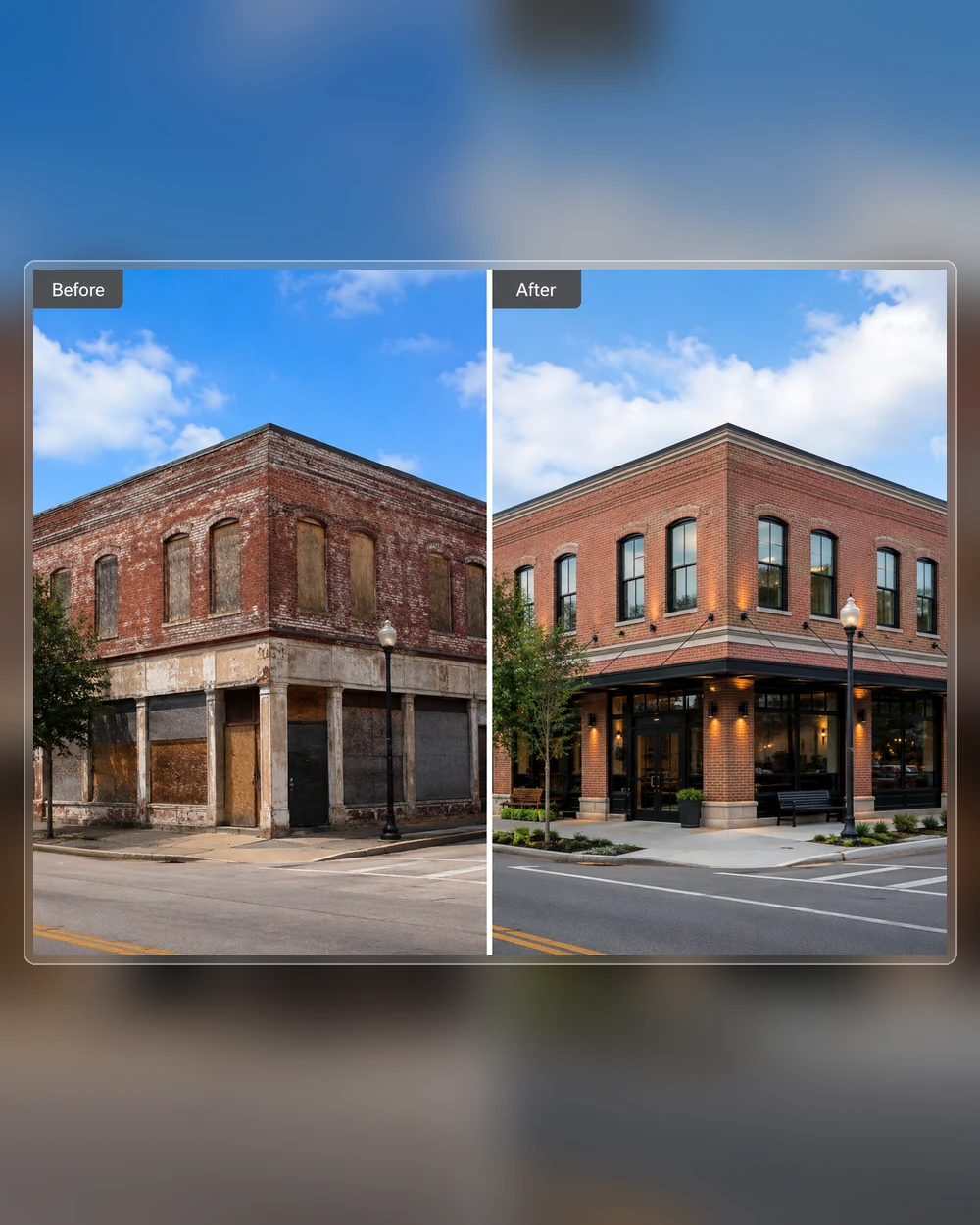
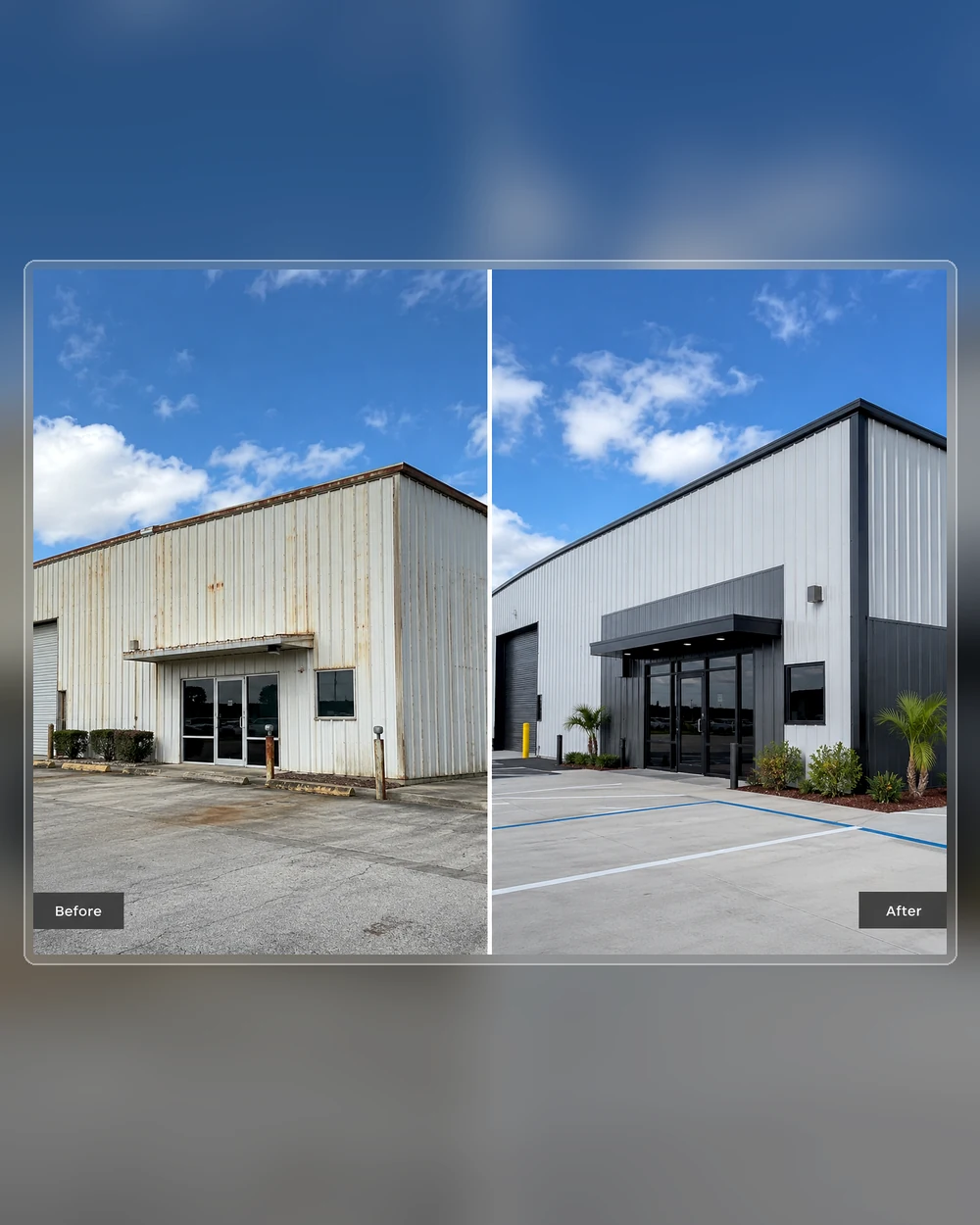
These clear representative images illustrate the types of deteriorated, abandoned or noncompliant properties and interiors that may require design, permitting, corrective construction and inspection closeout. They are not identified as completed GL Lewis projects unless published in the GL Lewis Project Portfolio.
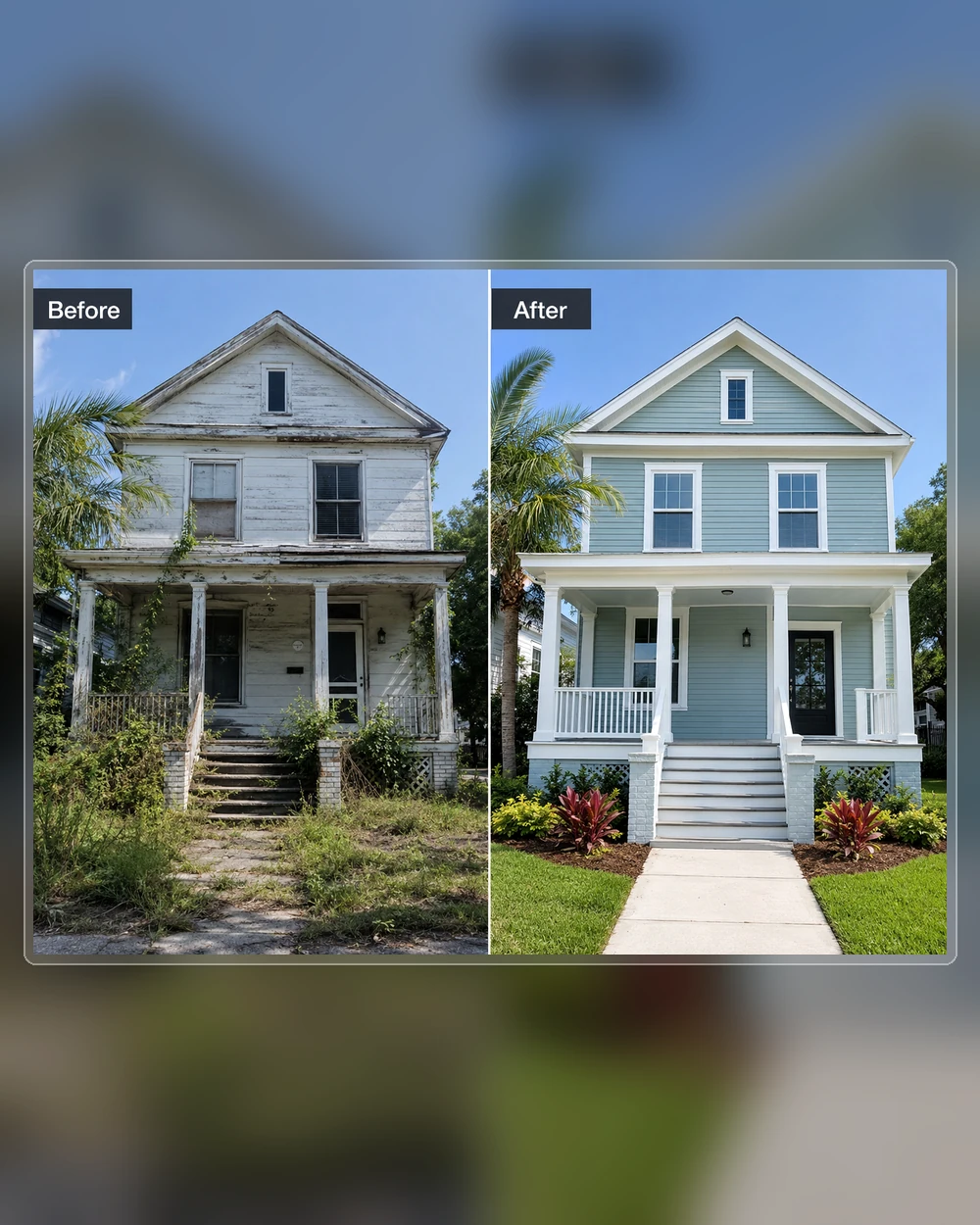
Primary coverage includes Hillsborough County—Tampa, Temple Terrace, Plant City, Brandon, Riverview, Ruskin, Apollo Beach, Lutz, Valrico, Seffner, Thonotosassa, Sun City Center and Town ’n’ Country; Pinellas County—St. Petersburg, Clearwater, Largo, Dunedin, Tarpon Springs, Pinellas Park, Safety Harbor, Oldsmar, Seminole, Gulfport, Belleair, Belleair Beach, Belleair Bluffs, Belleair Shore, Indian Rocks Beach, Indian Shores, Madeira Beach, North Redington Beach, Redington Beach, Redington Shores, Kenneth City, South Pasadena, St. Pete Beach and Treasure Island; Pasco County—Dade City, Zephyrhills, New Port Richey, Port Richey, San Antonio, St. Leo, Wesley Chapel, Land O’ Lakes, Trinity, Holiday, Hudson, Lutz and Odessa; Hernando County—Brooksville, Spring Hill, Weeki Wachee, Hernando Beach, Ridge Manor, Timber Pines and Masaryktown; Polk County—Lakeland, Winter Haven, Auburndale, Bartow, Davenport, Haines City, Lake Alfred, Lake Wales, Polk City, Mulberry, Dundee, Eagle Lake, Fort Meade, Frostproof, Lake Hamilton, Highland Park and Hillcrest Heights; Sumter County—Bushnell, Center Hill, Coleman, Webster, Wildwood, The Villages, Oxford, Lake Panasoffkee and Sumterville; Lake County—Clermont, Leesburg, Tavares, Mount Dora, Eustis, Groveland, Minneola, Lady Lake, Fruitland Park, Mascotte, Montverde, Howey-in-the-Hills, Astatula and Umatilla; Orange County—Orlando, Apopka, Winter Park, Winter Garden, Ocoee, Maitland, Belle Isle, Edgewood, Eatonville, Oakland, Windermere, Bay Lake, Lake Buena Vista, Dr. Phillips, Horizon West, Lake Nona, Pine Hills, Gotha, Conway, Alafaya and Wedgefield; Seminole County—Sanford, Altamonte Springs, Casselberry, Lake Mary, Longwood, Oviedo, Winter Springs, Heathrow, Chuluota, Geneva, Wekiwa Springs and Fern Park; Osceola County—Kissimmee, St. Cloud, Celebration, Poinciana, Buenaventura Lakes, Harmony, Campbell and Narcoossee; Volusia County—DeLand, DeBary, Deltona, Orange City, Daytona Beach, Daytona Beach Shores, New Smyrna Beach, Ormond Beach, Port Orange, South Daytona, Holly Hill, Edgewater, Lake Helen, Oak Hill, Pierson and Ponce Inlet; and Brevard County—Melbourne, West Melbourne, Palm Bay, Cocoa, Cocoa Beach, Cape Canaveral, Rockledge, Titusville, Satellite Beach, Indian Harbour Beach, Indialantic, Melbourne Beach, Melbourne Village, Malabar, Grant-Valkaria, Palm Shores, Merritt Island, Viera, Port St. John, Mims and Micco. Project acceptance depends on location, scope, urgency, schedule and written agreement.
A Florida Certified General Contractor is normally the lead when the case involves structural work, multiple trades, commercial or multifamily property, unsafe conditions, occupancy changes or corrective construction. Licensed specialty contractors and Florida architects or engineers may also be required.
Local governments and legally constituted enforcement districts generally enforce the Florida Building Code for buildings within their jurisdiction, subject to state-law exceptions. The specific building official, fire official, code officer or agency depends on the property and violation.
Stop the work covered by the order, preserve the notice, secure the area, collect project records and contact a properly licensed contractor. Do not remove the notice, conceal the work or restart the cited activity without written authorization.
GL Lewis can coordinate the evaluation, drawings, permits, corrective construction and inspections needed to address the cited conditions. Only the city, county, building official, fire marshal or other issuing authority can formally release the order or close the case.
Yes. GL Lewis can review the existing work and coordinate an after-the-fact permit strategy, required drawings, testing, exposure of concealed work, corrections and inspections. Approval is determined by the authority having jurisdiction.
Yes. When compliance cannot be verified from approved documents, photographs, testing or accessible conditions, the official or design professional may require selective demolition or exposure before the work can be approved.
Many cases require drawings, calculations, reports or certifications based on the work, occupancy, structure, systems, site and jurisdiction. GL Lewis coordinates the appropriate Florida-licensed architects and engineers.
GL Lewis coordinates architectural, structural, civil and MEP documents prepared, signed and sealed by the appropriate Florida-licensed architect or engineer. GL Lewis is the design-build contractor and does not represent itself as the architect or engineer of record.
Yes, when legally available and properly selected by the fee owner or authorized contractor. Private-provider services are subject to Florida law, professional qualifications, notice requirements, insurance, written contracts and jurisdictional audit or acceptance.
The case may require a change of contractor, permit-record review, missing documents, correction of failed work, inspections and closeout. GL Lewis can evaluate the construction takeover and coordinate the required steps within the written scope.
GL Lewis can attend construction-related site meetings, inspections and coordination meetings within the project scope. Appeals, legal defenses, special-magistrate representation, fine reduction, lien negotiation and litigation may require a Florida attorney.
Florida law generally restricts initiation of many local code-enforcement cases from anonymous complaints, with exceptions for imminent threats to public health, safety, welfare or sensitive resources. Whether the complainant information is available depends on the agency record and applicable public-record exemptions; request the case file from the local government or consult counsel.
Potential claims depend on the contract, defects, notices, damages, licensing, insurance and deadlines. GL Lewis can document construction conditions and prepare a corrective scope, but legal rights and claims should be reviewed by a Florida construction attorney.
Yes. Open permits, code cases, liens, missing certificates and unpermitted improvements can delay closing, refinancing, insurance or occupancy. Early records review and a documented correction plan can help the owner understand the risk.
The schedule depends on notice deadlines, property access, records, destructive investigation, design scope, testing, permit review, corrections, contractor availability, inspections and hearings. A reliable schedule is developed after the case and property are reviewed.
Yes. The project form accepts multiple drawings, surveys, photographs, reports, notices and agency comments and includes a secure shared-drive link field for larger document sets.
No. Preliminary planning information may change after existing-condition investigation, approved drawings, jurisdictional requirements, selections, trade pricing and a written construction agreement.
Use the checklist to organize the notice, case number, deadlines, permit history, approved plans, photographs, inspection comments, property records, contractor information and questions needed for the initial review.