
Ever walked past a garage and thought, “What if this could be a cozy little living space for grandma, a rental unit, or a home office?” You’re not alone. Turning a dusty garage into a functional apartment is one of those makeover ideas that feels both bold and surprisingly doable.
The good news? In Central Florida, the climate, zoning flexibility, and our experience with ADU conversions make the process smoother than you might expect. We’ve seen homeowners transform simple two‑car structures into bright, inviting studios that generate extra income while keeping the family close.
First, imagine the garage’s existing skeleton: concrete slab, a door, maybe some windows. From there, it’s all about smart space planning—think open‑concept layouts, lofted sleeping areas, and built‑in storage that keeps the footprint tidy. A pocket door can replace the heavy garage door, saving space and adding a sleek look.
What about comfort? Insulation and proper HVAC are non‑negotiables, especially when you want a comfortable year‑round environment. Adding a small wall‑mounted AC unit or a mini‑split system can keep the space cool in the summer heat and cozy in winter without breaking the bank.
Lighting makes a huge difference. Recessed LEDs, a couple of large windows, and a skylight can flood the unit with natural light, erasing the “garage” vibe instantly. Pair that with light‑colored walls and you get an airy feel that feels more like a modern studio than a converted storage space.
And let’s not forget the little details that turn a plain box into a home—think a stylish kitchenette with energy‑efficient appliances, a compact bathroom with a space‑saving shower, and finishes that match the main house’s aesthetic. These touches boost both livability and resale value.
So, if you’re staring at that garage and wondering where to start, remember: a clear vision, solid planning, and the right contractor can turn those garage apartment ideas into reality. Let’s dive into the specifics that will guide you from concept to finished ADU.
TL;DR
Looking to turn a dusty garage into a livable studio? Our quick guide to garage apartment ideas shows how smart layout, insulation, and sleek finishes can create a comfortable, income‑generating space without the hassle. Start planning today, and let experienced Florida contractors handle permits, design, and build for you smoothly.
List Item 1: Convert a Detached Garage into a Cozy Apartment
Picture this: you pull up to your own house, stare at that aging two‑car garage, and wonder if it could be more than just a storage box. Maybe a quiet nest for your aging parents, a low‑maintenance rental, or even a home office that feels separate from the main hustle. That “what if” moment is the spark behind countless garage apartment ideas we see in Central Florida.
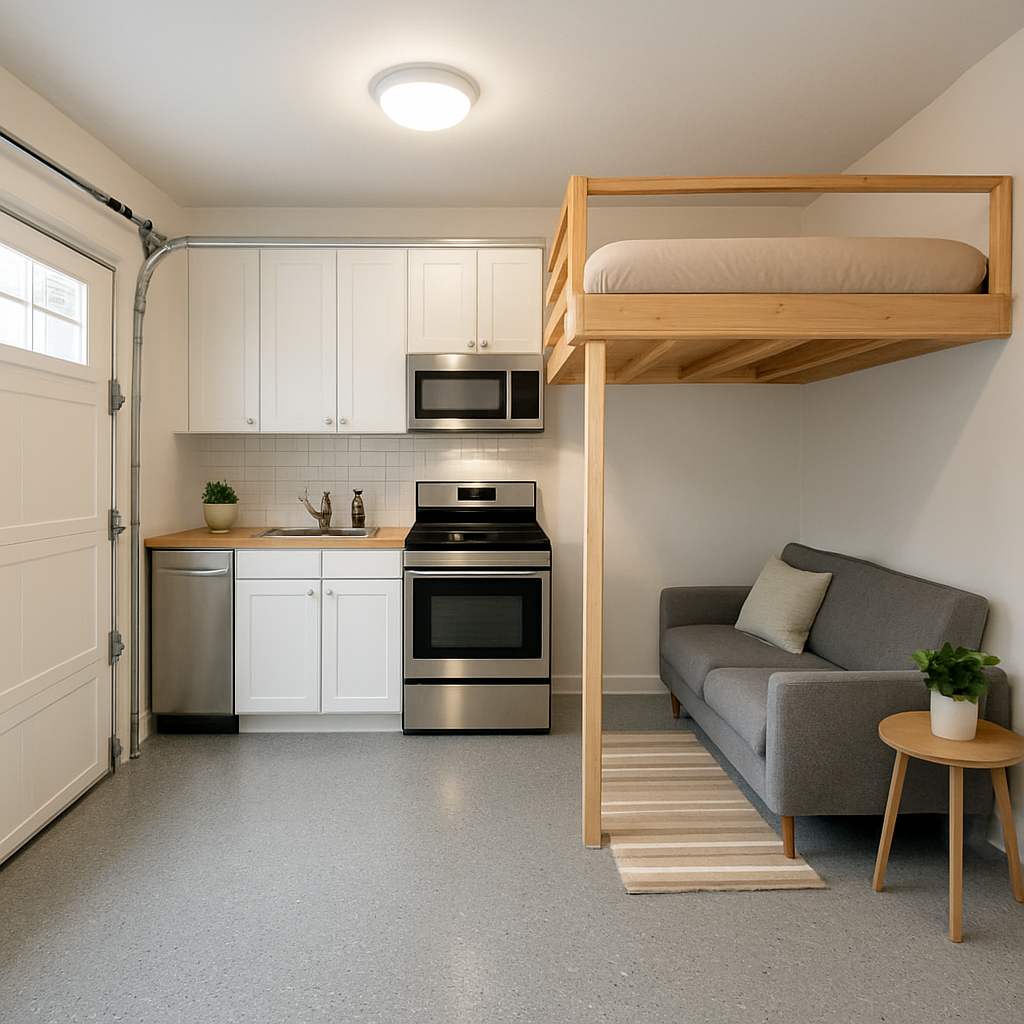
First, let’s talk layout. The most common mistake is treating the garage like a box you just slap a bedroom into. Instead, think vertically. A lofted sleeping zone above the vehicle bay maximizes floor space, while a compact kitchen and bathroom sit on the ground level. The Granny/Studio/ADU service page showcases how we’ve turned similar footprints into functional studios that feel spacious, not cramped.
Step‑by‑step: From Shell to Suite
1. Secure the Permit. In Orlando County, a garage‑over‑ADU typically falls under accessory dwelling unit regulations. Submit a site plan that shows the new entry, fire safety egress, and setbacks. Our team can handle the paperwork, but it’s good to know you’ll need a clear‑cut drawing before you start tearing down the old garage door.
2. Insulation & Energy. Florida’s heat can turn a concrete slab into an oven. Spray‑foam insulation on the walls and roof, plus a reflective radiant barrier, cuts cooling costs by up to 30% according to the Florida Building Code. Pair that with a mini‑split HVAC unit; you’ll get heating in winter without the clunky wall furnace.
3. Re‑think the Entrance. Swap the heavy roll‑up door for a pocket or sliding glass door. It saves space and brings natural light inside. If you’re tight on budget, a pre‑hung insulated door with a small vestibule works just as well.
Real‑World Examples
One family we helped in Kissimmee turned a 24‑by‑30‑foot detached garage into a two‑bedroom ADU. They kept the original concrete slab, added a small porch, and used a barndominium‑style exterior for curb appeal. The result? A rental that now pulls $1,200 a month, covering most of the construction costs within two years.
Another homeowner wanted a “granny flat” for their mother. We used the garage apartment plans from ePlans as a starting point, selecting a design with a walk‑in closet and a separate entry. The extra privacy made the space feel like a true home, not an afterthought.
For investors, the “Studio Space” plan (just 24 ft wide) offers a compact footprint that fits narrow lots. It’s perfect for urban infill where every square foot counts. Adding a balcony—like the “Spacious Balcony” model—boosts rent potential by 10‑15% because tenants love that indoor/outdoor vibe.
Tips You Can Use Today
- Map your garage’s dimensions on graph paper; it helps you visualize vertical split‑levels.
- Prioritize storage: built‑in cabinets above the kitchen line keep the floor clear.
- Choose light‑colored finishes; they reflect the Florida sun and make the space feel larger.
- Install a small skylight or clerestory windows for natural light without compromising privacy.
And don’t forget the little details that make a huge difference: a pocket door for the bathroom, a stacked washer/dryer unit, and recessed LED lighting that doubles as a night‑light.
When you’re ready to turn that vision into a reality, remember that a well‑planned garage conversion not only adds square footage but also boosts your property’s resale value. In many cases, a finished ADU can increase overall home value by 5‑10%.
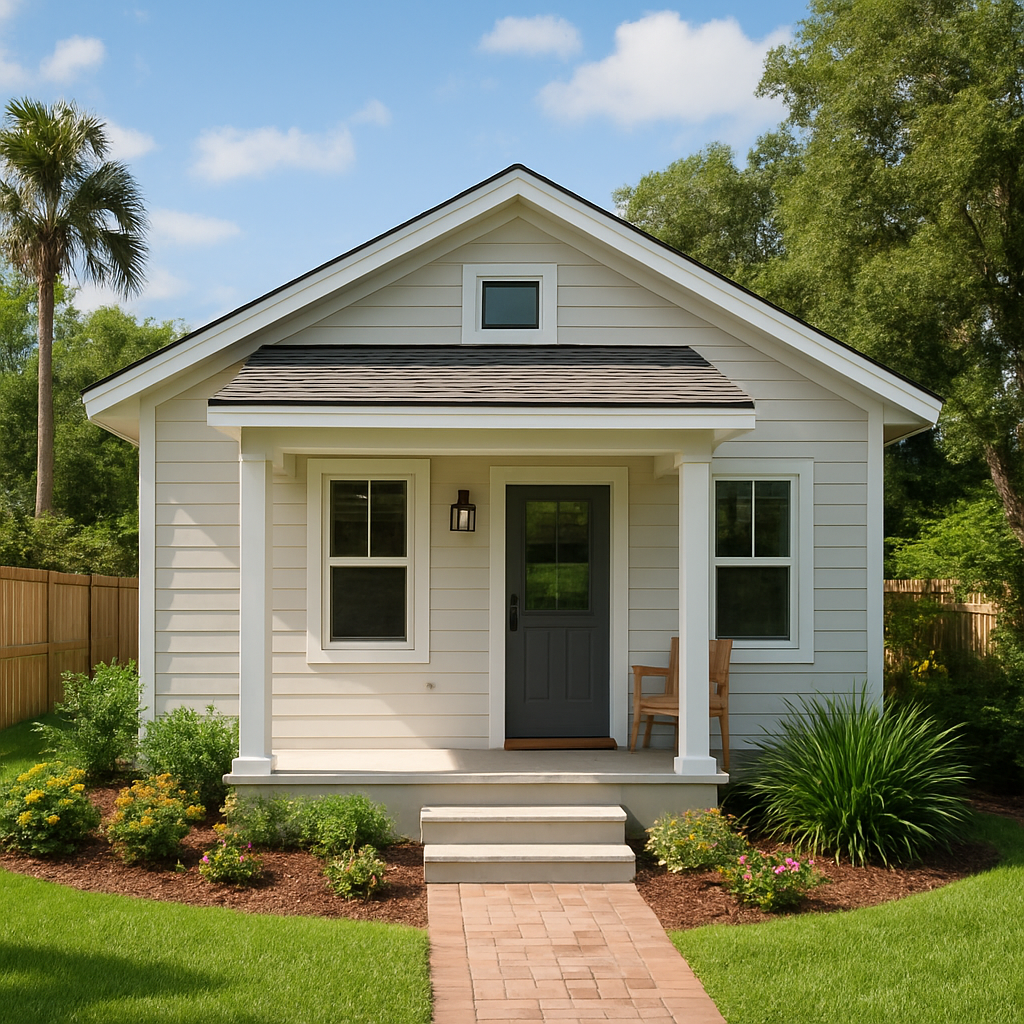
So, does the idea of a garage‑turned‑apartment feel less like a gamble and more like a smart investment? Absolutely. With the right design, permits in hand, and a seasoned contractor, you’ll have a livable, income‑generating space that feels right at home.
List Item 2: Transform an Attached Garage with a Separate Entrance
Ever glance at the garage door and wonder, “What if that could be a private little home for Mom, a rental, or a home office?” You’re not alone. Adding a dedicated entry flips the space from noisy storage to a self‑contained haven, and it’s one of the hottest garage apartment ideas we see in Central Florida.
1. Give It Its Own Front Door
Swap the roll‑up door for a pocket or sliding glass door that opens onto a modest porch. A separate entry lets the main house stay insulated from foot traffic and gives the ADU instant curb appeal. In many multigenerational plans on ePlans, the new door is paired with a covered stoop that feels like a mini‑front porch – perfect for a welcome mat and a few potted plants.
2. Create a Private Foyer
Step inside and you should feel a clear boundary. A small foyer with a coat rack, bench, and built‑in locker gives the resident a place to drop keys before they disappear into the living area. It also acts as a sound buffer, keeping garage‑door clatter out of the main house.
3. Sound‑Proof the Shared Wall
Because the ADU shares a wall with the primary home, sound‑proofing is non‑negotiable. We recommend dense‑filled insulation in the cavity and resilient channel on the drywall to dampen vibration. A bead of acoustic sealant around the new door frame finishes the job, so you won’t hear each other’s TV or late‑night chats.
4. Open‑Concept Living with Zones
Think of the garage’s footprint as a canvas for a studio‑style layout: a compact kitchen against one wall, a living nook in the center, and a loft bedroom above the former car space. A short staircase meets code without sacrificing headroom. This vertical split‑level trick is a favorite in the Accessory Dwellings story, where a loft added both privacy and a sense of spaciousness.
5. Add Light Without Losing Privacy
Install a high clerestory window and a modest skylight above the kitchen. The light floods the space while keeping street views low enough for privacy. Low‑e glazing and a reflective roof coating keep the interior comfortable year‑round.
6. Keep the Kitchen Small but Mighty
A single‑wall kitchen with a three‑burner stove, under‑counter fridge, and pull‑out pantry can feed one or two people comfortably. Light‑colored cabinets and quartz countertops make the area feel larger, and a breakfast bar doubles as a dining spot.
So, what does this look like in practice? Picture a quiet porch, a glass door that slides shut, a breezy loft bedroom, and a tiny kitchen that still lets you whip up a Sunday brunch. The whole unit feels separate, yet it’s tucked under the same roof – a win‑win for multigenerational families and investors alike.
Ready to start sketching? Grab a sheet of graph paper, outline the garage’s dimensions, and mark where the new door will go. Then think about the flow: foyer → kitchen → living area → loft. A quick mock‑up helps you spot bottlenecks before the first nail is driven.
When you’re comfortable with the layout, let a licensed contractor like GL Lewis Construction Services handle permitting and structural details. We’ve helped dozens of Central Florida homeowners turn attached garages into income‑producing ADUs that respect both privacy and design.
Bottom line: a separate entrance transforms an attached garage from “just storage” into a functional, attractive living space that can house relatives, generate rent, or give you a quiet home office. It’s one of the smartest garage apartment ideas you can implement this year.
List Item 3: Multi‑Functional Studio Garage Apartment
Imagine stepping into a garage that feels less like a storage shack and more like a compact, stylish studio where every square foot earns its keep. That’s the sweet spot of a multi‑functional garage apartment – a space that can be a home office, a guest suite, or a rental unit without sacrificing comfort.
In Central Florida, the heat can make a poorly insulated garage feel like a sauna. So the first thing we do is treat the walls, roof, and floor like any other living area: spray‑foam insulation, a reflective roof coating, and a mini‑split system that heats in winter and cools in summer. The result? A temperature‑stable studio that you can actually live in year‑round.
Zoning the Space Without Walls
Because you’re working with a limited footprint, think “zones” instead of permanent walls. A low‑profile sliding partition can separate a sleeping nook from a work area, and a fold‑down Murphy bed lets the studio transform from a daytime office to a nighttime bedroom in seconds. This fluid layout keeps the space feeling open while still giving privacy where it matters.
Does a full kitchen feel out of reach? Not really. So the answer is yes – a galley‑style kitchenette with a two‑burner cooktop, under‑counter fridge, and pull‑out pantry fits nicely along one wall. Add a slim countertop dishwasher that tucks under the counter, and you’ve got all the basics without a bulky island.
Smart Storage That Saves Space
Storage is the make‑or‑break factor in any garage apartment. We love using vertical solutions – think wall‑mounted shelves, hooks, and a tall cabinet that climbs to the ceiling. Even the space above the kitchen cabinets can become a shallow closet for coats or a ladder‑accessible shelf for bins.
One trick borrowed from tiny‑apartment design is the “storage ottoman” that doubles as a seat and a hidden bin for blankets or pet supplies. It’s perfect for a studio where you need extra seating but have no spare floor space.
For more ideas on squeezing storage into a small living area, check out this guide on small‑space storage ideas. The concepts translate directly to a garage studio – especially the use of wall‑mounted shelves and multipurpose furniture.
Lighting and Mood
Natural light does wonders for a cramped space. If the garage has a side wall, install a large clerestory window or a skylight that brings daylight deep into the room. Pair that with dimmable LED recessed lights so you can shift from bright work mode to cozy evening ambience with a flick of a switch.
Don’t forget task lighting at the desk and under‑cabinet lights. A few well‑placed bulbs prevent the space from feeling like a cave and make the studio feel purposeful.
Accessibility for All Ages
Many of our clients are looking at garage studios as “in‑law” suites or senior‑friendly rentals. A single‑level layout, wide doorways, and grab bars in the bathroom go a long way. If you opt for a lofted sleeping area, make sure the staircase meets code – a compact, stair‑tread that doubles as storage is a favorite trick.
Think about future needs now. A bathroom with a curbless walk‑in shower not only feels modern, it also removes a barrier for anyone with mobility concerns.
Budget‑Friendly Finishes
Choose light‑colored paint, laminate flooring that mimics wood, and simple hardware. These finishes keep costs down while reflecting light, making the studio appear larger. A painted accent wall behind the bed can add personality without breaking the bank.
When you’re ready to move from sketch to reality, a licensed general contractor like GL Lewis Construction Services can handle everything from permits to the final coat of paint, ensuring the project stays on schedule and within budget.
Bottom line: a multi‑functional studio garage apartment isn’t a pipe dream; it’s a practical, adaptable solution that maximizes your property’s value and meets the diverse needs of families, investors, and retirees alike.
List Item 4: Luxury Garage Apartment with High‑End Finishes
When you start dreaming about a garage‑turned‑suite that feels more boutique hotel than storage shack, the first question is always the same: can we make it look and feel pricey without blowing the budget?
The answer is a big yes, but only if you treat the space like a finished home from day one. That means choosing floor, wall and door finishes that not only survive Florida’s heat and humidity, but also age gracefully.
Flooring that steals the show
A luxury garage apartment needs a floor that can handle hot‑tire pickup, oil drips and the occasional dropped tool, yet still look like a polished showroom. That’s why many of our clients gravitate toward a professional polyaspartic coating – the top‑ranked option in the garage‑floor protection guide. Polyaspartic dries fast, resists UV yellowing and can be tinted to match any design palette.
What’s the practical upside? You’ll spend less time polishing, more time enjoying a surface that feels solid under bare feet and looks sleek under recessed LEDs.
Doors that make an entrance
The garage door is the first thing people see, so it should read “high‑end” as loudly as the interior. A well‑insulated steel door with a modern finish checks both style and energy‑efficiency boxes. The garage‑door material comparison points out that insulated steel doors can cut heating and cooling costs by up to 20 % – a win for comfort and utility bills.
Imagine a sleek, low‑profile steel panel with a brushed‑nickel handle, paired with a smart automatic opener that whispers shut. It feels like stepping into a boutique condo, not a repurposed car shelter.
High‑end finishes that tie it together
Think quartz countertop islands in the kitchenette, custom millwork with soft‑close hardware, and recessed lighting that mimics daylight. These details are inexpensive at scale, but they add the perception of luxury.
Don’t forget the small stuff: brushed‑brass faucet fixtures, a glass‑front shower enclosure, and a built‑in wardrobe with hidden LED strip lighting. All of these create a layered experience where every glance discovers something new.
What to prioritize
Here’s a quick cheat‑sheet you can print out and stick to your fridge while you’re planning.
| Feature | High‑End Option | Why it matters |
|---|---|---|
| Floor | Polyaspartic coating (custom tint) | Durable, UV‑stable, looks like polished concrete |
| Door | Insulated steel with modern finish | Energy efficiency + curb‑appeal |
| Countertops | Quartz slab with integrated backsplash | Low maintenance, high aesthetic value |
When you line up these three pillars, the rest of the design falls into place. You’ll find that even modest square footage feels spacious when the finishes reflect light and hide imperfections.
So, what’s the next step? Grab a sketch of your garage’s dimensions, mark where you want the entry, the kitchen, and the bathroom, then run those measurements by a licensed contractor who knows Florida code inside out.
In our experience, homeowners who start with a finish‑first plan avoid costly redesigns later. A clear vision of the floor, door and countertop palette lets the architect and builder lock down material orders early, keeping the timeline tight.
Bottom line: luxury isn’t about splurging on every item; it’s about choosing the right high‑impact finishes that pay off in durability, comfort and resale value. With a polyaspartic floor, an insulated steel door and quartz surfaces, your garage apartment will feel like a premium rental or a multigenerational retreat that anyone would be proud to call home.
List Item 5: Budget‑Friendly Garage Apartment on a Tight Budget
Ever stare at that old garage and think, “I could turn this into a livable space, but my wallet’s already thin enough as it is?” You’re not alone—many Central Florida homeowners hit that exact wall of doubt before they discover a few clever shortcuts.
What if you could pull off a functional studio without splurging on high‑end finishes? The secret isn’t about cutting corners; it’s about prioritizing the moves that give the biggest bang for your buck.
1. Map the space before you buy anything
Grab a sheet of graph paper, sketch the garage’s footprint, and block out zones: sleeping loft, kitchenette, bathroom, and a tiny entry foyer. When you see the layout on paper, you’ll instantly spot where a built‑in shelf can replace a freestanding dresser, or where a pocket door saves a foot of hallway.
Even a simple doodle can prevent you from ordering a custom countertop that ends up never being used.
2. Insulation that won’t break the bank
Florida’s heat can turn an uninsulated slab into a sauna. A cost‑effective combo is fiberglass batts in the walls plus a reflective radiant barrier under the roof. The garage conversion discussion on Permies notes that “fiberglass or denim batts… are probably most economical,” and a foil barrier adds a few dollars for noticeable cooling savings.
Seal every gap with acoustic caulk; the cheap effort saves you from a future HVAC upgrade.
3. DIY the flooring finish
Instead of pricey polished concrete, consider a DIY epoxy coating. A gallon of self‑leveling epoxy can cover 200 sq ft, and you can tint it with a cheap floor‑colorant to mimic a higher‑end look. It’s durable, resists oil stains, and you’ll avoid the labor cost of a professional polyaspartic job.
Tip: apply the coating in two thin coats on a dry day—your garage will look showroom‑ready in a weekend.
4. Kitchenette on a shoestring
Skip the island and go for a single‑wall galley. An under‑counter fridge, two‑burner cooktop, and a slim countertop dishwasher fit snugly. Look for “appliance packages” at big‑box stores; they often bundle a fridge, stove, and dishwasher for a fraction of the separate price.
Reuse cabinet doors from the house or from a thrift store—paint them white and add new hardware for a fresh vibe without the $2,000 cabinet price tag.
If you need more ideas on stretching a small budget, the budget‑friendly apartment essentials post breaks down low‑cost decor hacks that work just as well in a garage ADU.
5. Bathroom basics that stay legal
A compact 3‑piece bathroom (toilet, sink, corner shower) can be bought as a “wet‑room kit” for under $1,500. The key is to keep the wet zone contained and use a low‑profile shower pan that doubles as a floor drain—no need for a full‑size tub.
Make sure the plumbing stays within the existing slab lines; otherwise you’ll be digging a costly trench.
6. Light the way without luxury fixtures
LED strip lights under cabinets and a few recessed cans are inexpensive and energy‑efficient. A single skylight or a high‑placed clerestory window floods the space with natural light, shrinking the perceived size of the unit.
Even a cheap solar‑powered vent fan can keep humidity in check for under $100.
7. Keep décor DIY and purposeful
Paint the walls a light, reflective hue—white or soft pastel. It costs less than $30 per gallon and instantly makes the garage feel larger. Add reclaimed wood pallets for a bedside platform or a floating shelf; a couple of sanders and a coat of sealant turn trash into treasure.
And remember, a few houseplants not only add color but also improve indoor air quality, which is a nice perk for an ADU that might house seniors.
So, what’s the next step? Pull out that graph paper, set a modest budget line for each of the items above, and start hunting for the cheapest yet reliable suppliers. When you’ve got the numbers, give GL Lewis Construction Services a quick call for a free feasibility check—our team loves turning tight budgets into livable spaces.
Bonus Tips: Smart Home Features for Garage Apartments
Ever thought a garage apartment could feel like a tech‑savvy tiny home instead of a cold storage box? You’re not alone. Adding a few smart‑home touches can crank up comfort, cut utility bills, and even make the space more appealing to renters—all without blowing your budget.
1. Smart Thermostat for Year‑Round Comfort
A programmable thermostat that learns your schedule does the heavy lifting when Central Florida’s heat spikes or the winter chill sneaks in. You set a few temperature points, and the device adjusts on its own, shaving up to 10 % off the cooling bill, according to industry studies. In our experience, a single‑stage mini‑split paired with a Wi‑Fi thermostat gives you zoned control without the need for ductwork.
2. Voice‑Activated Lighting
Imagine walking into the loft and saying, “Hey Google, turn on the lights,” and the whole area brightens. Smart bulbs or a simple hub can dim or change color temperature to match the time of day—cool white for work, warm amber for movie night. Because the garage often has limited natural light, automated lighting helps the space feel larger and more inviting.
3. Leak‑Detect Sensors in the Bathroom
Water damage is a nightmare in any ADU, especially when you’ve invested in a sleek bathroom. A low‑cost leak sensor sends an alert to your phone the moment it detects moisture, letting you act before a minor drip becomes a costly flood. Pair it with a smart shut‑off valve for peace of mind when you’re away on vacation.
4. Smart Locks for Separate Entrance Security
Since the garage apartment has its own front door, a key‑less deadbolt lets you grant temporary access to a tenant, a cleaner, or a visiting grandparent without swapping physical keys. You can set up unique entry codes that expire after a week—perfect for short‑term rentals or Airbnb‑style stays.
5. Energy‑Monitoring Plug Strips
Plug your mini‑split, refrigerator, and entertainment system into a Wi‑Fi‑enabled power strip. The app shows real‑time usage, helping you spot energy‑guzzlers. In a recent case study, a homeowner reduced monthly electricity by $30 simply by turning off standby power on a few devices.
6. Automated Window Shades
Motorized blinds that respond to sunrise and sunset keep the interior cool in the summer and cozy in the winter, reducing the load on your HVAC. Even a budget‑friendly retro‑fit kit can be installed on existing blinds, and you control them via a smartphone app or voice command.
7. Integrated Home‑Assistant Hub
All the gadgets above talk to each other through a central hub—think Amazon Echo or Google Nest Hub. When you say, “Good night,” the hub can lock the door, lower the thermostat, dim the lights, and close the blinds with a single command. It’s a tiny convenience that makes the garage apartment feel like a modern studio rather than a retrofitted garage.
So, what’s the next step? Grab a notebook and list which of these features align with your budget and timeline. Start with the thermostat and smart lock—those give the biggest ROI for comfort and security. Then layer on lighting and leak detection as you fine‑tune the space.
Remember, smart upgrades aren’t just about tech; they’re about making the garage apartment livable, safe, and attractive to the kind of tenant who’ll treat the space like a home. When you’re ready, a licensed contractor like GL Lewis Construction Services can weave these systems into the electrical plan so everything works together from day one.
And if you’re still on the fence about whether garage apartments are worth the effort, the return of garage apartments article points out that these units boost property values by up to 10 % while helping cities meet affordable‑housing goals. That’s a win‑win for you, your family, and the neighborhood.
Conclusion
After walking through everything from insulation tricks to smart‑home shortcuts, you’ve seen how a handful of well‑chosen garage apartment ideas can turn a dusty slab into a livable, revenue‑generating space.
So, what’s the next move? Grab that notebook, pick the two upgrades that give you the biggest bang—usually a smart thermostat and a sturdy smart lock—and start sketching a simple floor plan. A lofted bedroom, a compact galley kitchen, and a pocket‑door entry can be mapped out in an afternoon.
Remember, the goal isn’t to pile on gadgets; it’s to make the garage feel like home for a tenant, an aging parent, or yourself. When the basics feel solid, you can layer in extras like automated shades or leak sensors without breaking the budget.
And if the paperwork or wiring feels overwhelming, a licensed general contractor who knows Florida’s code—like GL Lewis Construction Services—can pull the permits, run the electrical, and keep the project on schedule.
Does this sound doable? Absolutely. The return on investment often shows up as higher property value, smoother rent rolls, and peace of mind knowing the space is safe and comfortable.
Take the first step today: list your top three garage apartment ideas, set a realistic timeline, and watch that old garage transform into a fresh, functional home.
FAQ
What are the first steps to plan a garage apartment conversion?
Start by measuring the footprint, sketching a simple layout on graph paper, and noting where plumbing, electricity, and a new entry could go. Check your local zoning—Florida counties often require a minimum ceiling height and egress windows.
Next, list the two upgrades that will give you the biggest bang, like a smart thermostat and a sturdy smart lock. Finally, get a rough cost estimate and talk to a licensed contractor to confirm code compliance before you break ground.
How much does it typically cost to turn a garage into a livable ADU in Central Florida?
In Central Florida a garage‑to‑ADU project usually lands between $45,000 and $80,000, depending on size, finish level, and whether you’re adding a loft. A basic studio with spray‑foam walls, a mini‑split HVAC, and a modest kitchen sits toward the low end.
Throw in higher‑end flooring or a custom exterior, and you’ll see the figure creep upward. Always budget an extra 10 % for permits, inspections, and any surprise site conditions.
Do I need a separate entrance, and why is it important?
A separate entrance does more than look nice—it keeps the ADU independent, which is a must for privacy, fire safety, and rental compliance. A pocket or sliding glass door lets you add a small porch, giving the unit curb appeal and a dry place for shoes.
It also means you don’t have to share the main house’s garage door, reducing noise and heat transfer for both spaces.
What are the most cost‑effective insulation options for a garage apartment?
The cheapest way to keep a Florida garage from turning into an oven is dense‑pack fiberglass batts in the walls combined with a reflective radiant barrier under the roof. It’s easy to install yourself and cuts cooling costs by about 15 % in our experience.
If you can stretch the budget a bit, spray‑foam adds air‑tightness and boosts R‑value, but the DIY route with fiberglass still meets code for most ADU permits.
How can I maximize storage without sacrificing living space?
Think vertical first. Floor‑to‑ceiling cabinets, floating shelves, and a tall pantry that climbs above the fridge give you storage without hogging precious square footage. A lofted sleeping zone frees the ground level for a kitchen and bathroom, and a built‑in bench with hidden drawers doubles as seating.
When you design, mark every inch on your layout sheet; you’ll often spot spots where a narrow pull‑out shelf can replace a bulky freestanding unit.
What smart‑home features give the best ROI for a garage apartment?
Start with a Wi‑Fi thermostat and a smart lock—those two give you immediate comfort and security while showing tenants you’ve thought ahead. Add motion‑sensing LED bulbs that dim when you’re watching TV, and a leak sensor under the sink to catch drips before they become floods.
All of these devices talk to a simple hub like an Amazon Echo, so you can control lighting, temperature, and alerts with a single voice command.
When should I bring in a licensed contractor like GL Lewis Construction Services?
If you’re not comfortable reading plans, pulling permits, or coordinating trades, bring in a licensed general contractor early—ideally before you order any materials. A pro like GL Lewis Construction Services will verify that your design meets the Florida Building Code, handle the permit set, and schedule inspections so you avoid costly re‑work.
Their experience with ADU projects means they can spot hidden costs, like extra framing for a loft, before they blow your budget.