
Ever walked past a dated storefront in Orlando and thought, “This place could look so much better if someone just gave it a fresh start?”
That feeling is exactly why many property owners start looking for a commercial renovation contractor Central Florida – someone who gets the local vibe and can turn a tired space into a thriving hub.
In our experience, the biggest roadblock isn’t the construction itself; it’s figuring out where to begin. Do you need a new layout for a growing retail shop? An ADA‑compliant upgrade for a medical office? Or maybe a sleek office remodel that matches your brand’s personality?
We’ve helped everything from boutique coffee shops on Park Avenue to midsize clinics in Winter Garden navigate permits, budgeting, and timelines without the usual headaches.
So, what’s the first step? Start with a clear picture of the end result. Imagine your customers walking through the door, noticing fresh paint, modern lighting, and an intuitive floor plan that guides them effortlessly.
That mental snapshot makes it easier to talk about square footage, material choices, and code requirements – especially since Florida’s building codes vary by county and city.
When you partner with a local contractor, you get more than just a crew with the right tools. You get a team that knows the Orange County inspection process, the best suppliers for hurricane‑rated windows, and how to keep a project on schedule despite the occasional summer rain.
One tip we’ve learned over the years: set a realistic budget cushion of 10‑15 % for unexpected site conditions. It sounds like a safety net, but it often means the difference between a smooth handover and a last‑minute scramble.
Another quick win is to involve your end‑users early—employees, tenants, or shoppers—so their feedback shapes desk heights and restroom access, saving redesign time.
Ready to move from “just thinking about it” to a concrete plan? Let’s take that vision, run it through a quick feasibility check, and map out the steps that will bring your commercial space up to speed.
Stay tuned – the next sections will break down budgeting, permitting, and timeline milestones so you know exactly what to expect.
TL;DR
Looking for a reliable commercial renovation contractor Central Florida? We break down budgeting, permitting, timelines, and practical tips so you can confidently transform your space without surprises.
Follow our step‑by‑step guide, avoid common pitfalls, and discover how GL Lewis Construction Services streamlines every phase from design to final inspection today.
Understanding Central Florida Commercial Renovation Needs
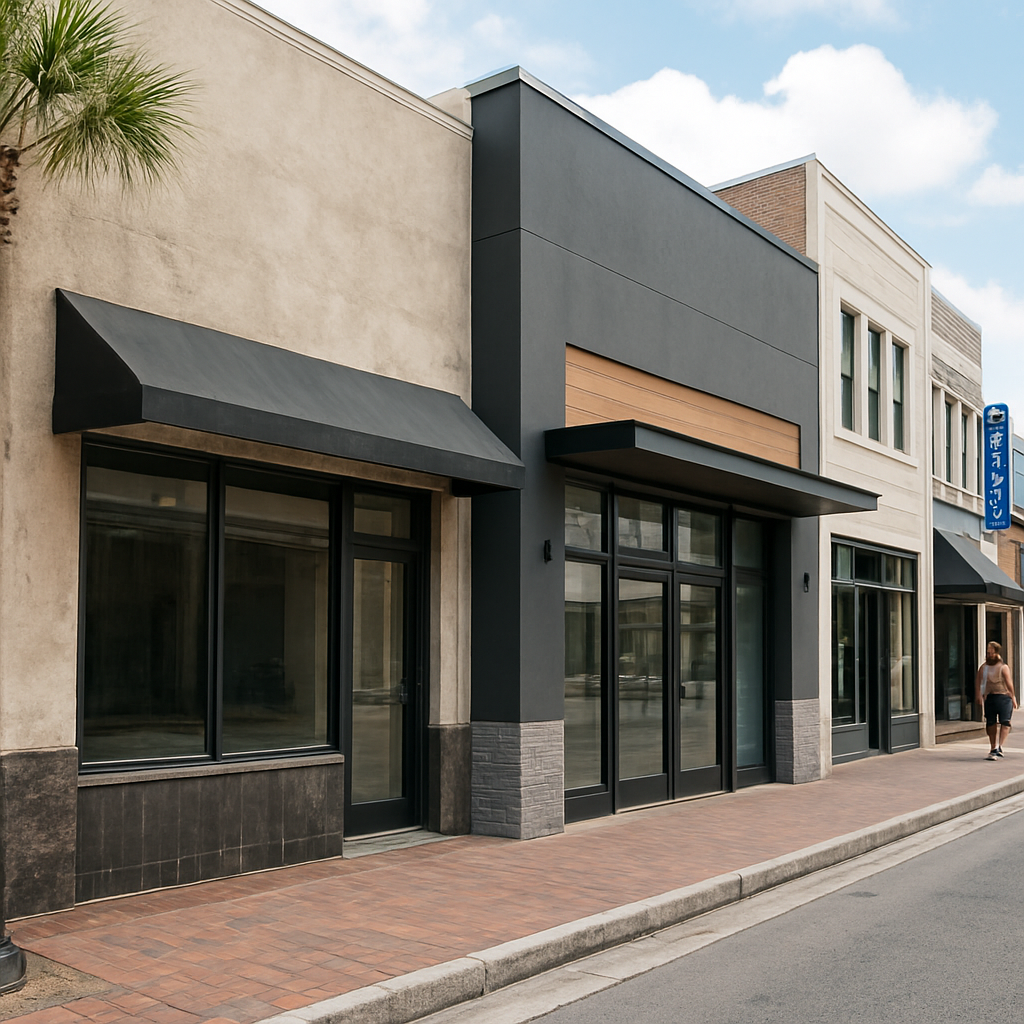
Ever walked past a downtown storefront in Orlando and thought, “If only this space felt a bit more modern, maybe the business would thrive?” You’re not alone. That spark of “what‑if” is the first sign you’ve got a commercial renovation project bubbling under the surface.
So, what exactly is driving that need right now? Central Florida’s economy is on a roll – tourism, tech, and health‑care are expanding faster than the housing market can keep up with. According to recent market data, office and retail spaces are seeing record‑high leasing activity, and investors are snapping up properties to reposition them for the next wave of growth. In other words, a fresh, functional space can be the difference between staying stagnant and cashing in on that momentum.
But before you dive into paint colors and new lighting, you need to understand a few local quirks that can make or break your renovation timeline.
That short video walks you through the typical phases we see with commercial remodels in the Orlando area – from the first site walk to the final inspection. Keep it handy; it’ll help you spot where your project might hit a snag.
Code & Permitting Nuances
Florida’s building code is a living document – it changes with hurricane standards, accessibility updates, and energy‑efficiency goals. What that means for you is a two‑step reality check: first, figure out which city or county jurisdiction you’re under, then confirm the latest code requirements for things like wind‑load ratings on windows or ADA‑compliant restroom fixtures. In our experience, a quick pre‑permit meeting with the local building department can shave weeks off the schedule.
Typical Scope & Budget Triggers
Commercial projects in Central Florida usually fall into three buckets: cosmetic upgrades (paint, flooring, signage), systems upgrades (HVAC, electrical, plumbing), and layout re‑configurations (new walls, expanded retail bays, tenant‑improvement suites). The biggest surprise cost? Hidden conditions – think outdated wiring or moisture‑damaged plaster hidden behind a wall. That’s why we always advise a 10‑15 % contingency, especially for older buildings near downtown or historic districts.
Tips for a Smooth Renovation
- Start with a clear, measurable goal: Is the priority higher foot traffic, better energy performance, or meeting a specific lease requirement?
- Engage end‑users early. A quick survey of employees or tenants can reveal must‑have features (like adjustable desk heights or extra storage) that you’d otherwise redesign later.
- Schedule “weather windows.” Summer storms are a fact of life in Central Florida; plan critical exterior work for the drier months of October through March.
- Use a single point of contact. Having one “construction manager” (often us) keeps communication clear and reduces the back‑and‑forth that stalls progress.
When you line up these pieces – market momentum, code clarity, realistic budgeting, and proactive communication – the renovation becomes less of a gamble and more of a strategic upgrade. That’s the sweet spot where a commercial renovation contractor Central Florida can truly add value.
Ready to turn that “what‑if” into a concrete plan? A quick chat with our team can map out the exact steps for your space, from feasibility study to final handover.
Step 1: Initial Site Assessment & Feasibility for ADUs and Commercial Spaces
First thing you’ll notice when you walk onto a site is the vibe of the space – the way the light hits the walls, the smell of old carpet, the hum of an aging HVAC unit. That gut feeling is actually the first data point in a feasibility check. It tells you whether the project will feel like a quick facelift or a full‑blown gut‑rehab.
Start by grabbing the most recent site plans, if they exist, and compare them to what you see on the ground. Sketch a quick “as‑is” layout on a napkin or a tablet. Highlight structural walls, load‑bearing columns, and any obvious code blockers like low ceiling heights or insufficient egress routes. In our experience, a simple visual audit saves weeks of back‑and‑forth with engineers later.
Step 1A: Verify Zoning & ADU Eligibility
Central Florida jurisdictions differ on how many ADUs you can add per lot, setbacks, and parking requirements. Pull the county’s zoning map (Orange County’s online portal is a good start) and confirm the property’s classification – R‑1, R‑2, or mixed‑use. If you’re eyeing a commercial conversion, check whether the building is in a “commercial” district or if a mixed‑use overlay applies. A quick phone call to the planning department can often clarify gray areas that aren’t obvious on the map.
Pro tip: keep a checklist of common zoning questions – maximum floor‑area ratio, required parking spaces, and any historic district overlays. That way you won’t forget something like a mandatory 10‑foot rear yard setback, which can kill an ADU footprint you’ve already sketched.
Step 1B: Structural & Systems Review
Next, bring in a structural engineer for a “light” assessment. They’ll look for red flags: oversized openings, cracked concrete, or evidence of past water intrusion. For commercial spaces, ask the engineer to verify load capacity for any new mezzanine or additional floor load you might be adding.
Don’t overlook the building’s mechanical backbone. Older commercial properties often hide outdated wiring, undersized panels, or corroded plumbing behind dropped ceilings. A licensed electrician can do a quick panel inspection and a plumber can check for any signs of pipe corrosion, especially in humid Central Florida conditions. These hidden conditions are why we always suggest a 10‑15 % contingency in the budget.
Step 1C: Market & Revenue Feasibility
Even if the site checks out technically, the project needs to make sense financially. For ADUs, look at recent rental comps in the neighborhood – a one‑bedroom ADU in Winter Park can command $1,800‑$2,200 per month, while a studio ADU near downtown Orlando might fetch $1,500. For commercial upgrades, ask the tenant what rent uplift they expect from a modernized space. In a recent retail build‑out we did, the tenant projected a 12 % increase in foot traffic, translating to roughly $8,000 extra revenue per month.
Run a simple cash‑flow model: estimated construction cost + contingency versus projected rental or revenue uplift. If the payback period exceeds 5‑7 years, you may need to scale back or look for additional incentives.
Step 1D: Permit Readiness Check
Before you even file a permit, line up all the documentation the local building department expects: site plan, grading plan, structural calculations, and a clear statement of compliance with the latest Florida Building Code. Many jurisdictions now require an electronic submission through their e‑permit portal; missing a single sheet can add weeks.
In our work, we’ve found that a pre‑permit meeting with the code official can surface requirements like hurricane‑rated windows or specific fire‑rating for interior walls before you spend money on drawings. That conversation is a cheap way to avoid costly redesigns later.
Step 1E: Wrap‑Up Checklist
At the end of the assessment, compile a one‑page feasibility report that includes:
- Zoning classification and any variances needed
- Structural and systems red flags with recommended mitigation
- Preliminary budget with 10‑15 % contingency
- Revenue projection and payback analysis
- Permit checklist and timeline estimate
Hand this report to the decision‑makers and let them ask the tough questions. If the numbers line up, you’re ready to move into design.
Need a partner who can turn that feasibility report into a seamless build? Our commercial build‑out services guide you from concept through final inspection, keeping the project on track and on budget.
Step 2: Design‑Build Planning and Cost Estimation
Now that you have a feasibility report in hand, the next move is turning that “what‑if” into a concrete set of drawings and a budget you can trust. As a commercial renovation contractor Central Florida, we know the difference between a sketch that looks good on paper and one that survives the hurricane‑rated code, the tight Orlando timeline, and the inevitable surprise behind a wall.
Establishing the Design Brief
Start by gathering every stakeholder – the property owner, the tenant, even the front‑line staff who will use the space daily. Ask simple questions: What traffic flow feels clunky? Which brand colors need a spotlight? How many ADA‑compliant stalls are required? Capture those answers in a one‑page brief. That brief becomes the north‑star for every architect, engineer, and estimator that joins the project.
Does it feel overwhelming to list everything? Imagine you’re planning a family vacation: you’d write down the flights, the hotel, the must‑see attractions. The same principle applies here – a clear brief prevents costly change orders later.
Creating Integrated Design‑Build Drawings
With the brief locked, our design‑build team drafts coordinated plans that fuse architectural layout, structural calculations, and MEP (mechanical‑electrical‑plumbing) systems. Because Florida’s building code updates frequently, we overlay the latest code layers directly onto the CAD model. That way we see, for example, whether a new storefront glass meets the required wind‑load rating before the glass is ordered.
Tip: request a “design‑review walk‑through” with the client. Walking through the 3‑D model on a tablet often surfaces hidden preferences – like a desire for a breakout area near the kitchen – that would otherwise be missed until demolition.
Developing a Realistic Cost Estimate
Once the drawings are set, we break the project into work packages: demolition, framing, finishes, HVAC, etc. Each package receives a unit cost based on current market rates in Central Florida. We pull data from recent supplier quotes, labor unions, and our own historical job database. The result is a line‑item budget that adds up to a total construction cost plus a 10‑15 % contingency.
- Verify quantities against the drawings (e.g., square footage of drywall, linear feet of conduit).
- Cross‑check material prices with at least two local suppliers.
- Include soft costs – permits, design fees, and insurance.
- Apply a contingency that reflects project risk: 10 % for a straightforward office remodel, 15 % or more for a building with unknown conditions.
Does the number look higher than you expected? Remember, a well‑scoped estimate saves you from surprise invoices once the walls go up.
Managing Contingencies and Value Engineering
Even the best estimate can be nudged by hidden conditions – think corrosion on a rooftop drain or an unexpected load‑bearing wall. That’s why we keep a “value‑engineering log” throughout design. When a cost driver spikes, we propose an alternative: perhaps a prefabricated wall panel instead of on‑site masonry, or LED lighting that reduces both material and future energy bills.
We also schedule a “budget checkpoint” after the demolition phase. At that point the actual condition of the structure is visible, allowing us to adjust the estimate before the next trade is mobilized.
Ready to see those numbers on paper? The next step after this planning phase is to lock in a construction schedule that aligns with the seasonal weather patterns in Central Florida – typically targeting exterior work between October and March to avoid the summer rain.
By following this structured design‑build process, you gain a transparent cost picture, reduce change‑order risk, and keep the project on track – exactly what you need from a commercial renovation contractor Central Florida.
Step 3: Permitting, Code Compliance, and Timeline Management
Now that the design‑build package is locked, the next hurdle is navigating permits, ensuring code compliance, and sequencing the project timeline. For a commercial renovation contractor Central Florida, these steps are where many owners encounter unexpected delays.
1. Identify Required Permits Early
Start by contacting the appropriate city or county building department. Typical permits for a retail or office remodel include:
- Building permit – covers structural changes, interior partitions, and exterior alterations.
- Electrical permit – required for new wiring, panel upgrades, or lighting redesigns.
- Mechanical permit – applies to HVAC modifications or new ductwork.
- Plumbing permit – for pipe replacements, restroom upgrades, or grease‑trap installations.
- Fire‑life safety permit – needed when fire‑rated walls, egress doors, or fire‑suppression systems are altered.
Ask the inspector whether a pre‑permit conference is available. In our experience, a 30‑minute meeting can surface local nuances—such as hurricane‑rated window requirements—that would otherwise add weeks to the schedule.
2. Align Designs with the Florida Building Code
The Florida Building Code (FBC) is the baseline, but each jurisdiction may adopt amendments for wind‑load, energy, or accessibility. Verify the following key areas:
- Wind‑load rating for exterior glazing – especially critical for storefronts facing the prevailing wind corridor.
- ADA compliance – check door widths, fixture heights, and accessible routes. Non‑compliance often triggers stop‑work orders.
- Energy efficiency – the latest FBC includes Title 24‑type requirements for lighting and insulation.
Cross‑reference the design drawings with the code checklist before submission. Any mismatch is flagged during the plan review, which can delay permit issuance by 2‑4 weeks.
3. Build a Permit Timeline Buffer
Permit processing times vary:
| Permit Type | Typical Review Time | Buffer Recommendation |
|---|---|---|
| Building | 7‑10 business days | +5 days |
| Electrical | 5‑7 business days | +3 days |
| Mechanical | 5‑7 business days | +3 days |
Adding a modest buffer protects the overall schedule from municipal backlogs, especially during peak construction months (October‑March). If the project includes a variance request, plan an additional 10‑14 days for council review.
4. Coordinate Inspections With Trade Activities
Inspections must occur in a specific order: footing, framing, rough‑in, and final. Align trade crews so that each stage is ready for inspection without idle time. A practical tip is to schedule the next trade to mobilize within 24‑48 hours after a successful inspection. This “just‑in‑time” approach minimizes storage costs for materials and keeps the critical path tight.
5. Document Changes Promptly
Any design change—whether driven by a code clarification or a client request—requires a revised permit submittal. Keep a change‑log that records:
- What the change is.
- Why it was made (code, budget, aesthetic).
- Impact on schedule and cost.
Submit the amendment through the jurisdiction’s e‑permit portal as soon as the decision is made. Delaying paperwork is a common source of cost overruns.
6. Leverage a Single Point of Contact
When you work with a commercial renovation contractor Central Florida, the contractor typically acts as the “permit manager.” This role consolidates all submissions, tracks inspection dates, and communicates status updates to the owner. It eliminates the confusion that arises when multiple subcontractors chase separate approvals.
In practice, the permit manager provides a weekly dashboard that lists pending permits, upcoming inspections, and any outstanding code comments. Owners can see at a glance whether the project is on track or if a bottleneck has emerged.
7. Final Acceptance and Close‑out
Once all inspections are passed, request a final occupancy certificate. Verify that all corrective punch‑list items are documented and signed off. A clean close‑out package—including as‑built drawings, warranty information, and a copy of the occupancy certificate—protects the owner from future compliance disputes.
By treating permitting, code compliance, and timeline management as an integrated process rather than an afterthought, you reduce risk, control costs, and keep the renovation moving forward on schedule.
Step 4: Construction Execution, Quality Control, and Project Closeout
Now that the designs are approved and the permits are in hand, the real action begins – and that’s where a commercial renovation contractor Central Florida really earns your trust. You’re probably asking yourself how to keep the schedule tight, the budget honest, and the finished space exactly how you imagined it.
Kickoff and site mobilization
We start with a concise kickoff meeting that brings the owner, the permit manager, the foreman, and any specialty trades together. A quick walk‑through of the job site helps everyone see the critical path: what gets built first, where deliveries will park, and which zones need extra protection from a sudden afternoon downpour.
Key items we lock down in that meeting:
- Confirm the approved drawings and any outstanding code comments.
- Set up a daily log sheet that captures who’s on site, what was completed, and any issues that popped up.
- Agree on a communication cadence – usually a brief morning huddle and an end‑of‑day recap email.
This simple structure cuts down on the “who‑does‑what” confusion that can stall a project.
Daily execution and real‑time communication
During construction we treat the schedule like a living organism. If a trade finishes early, we pull the next crew forward; if an inspection slips, we reshuffle non‑critical tasks to keep the crew productive.
Because we’re in Central Florida, weather is a constant variable. A quick glance at the forecast each morning lets us decide whether to protect wet trades, move material staging, or shift interior work to a rainy day. That flexibility keeps the critical path moving even when the sky opens up.
We also use a shared online dashboard – essentially a spreadsheet that anyone can open – to track permit status, inspection dates, and any pending punch‑list items. Owners love being able to click a link and see, at a glance, whether the project is still on track.
Quality control checklist
Quality control isn’t an afterthought; it’s woven into every trade’s daily routine. After each major phase we run through a short checklist:
- Verify framing members meet the Florida Building Code’s wind‑load requirements.
- Inspect electrical conduit for proper routing before walls are closed.
- Confirm HVAC ductwork is sealed and insulated to the required R‑value.
- Check fire‑rated assemblies are installed with correct hardware and fire‑stop materials are in place.
Any deviation is logged immediately in the change‑log and gets owner approval before we move forward. Catching issues early avoids costly re‑work and keeps the punch‑list short.
Punch list and project closeout
Once the final inspection clears, we walk the space with the owner and the inspector to flag any remaining items. Typical punch‑list items include touch‑up paint, missing hardware, or a thermostat that needs calibration.
We prioritize those items, assign them to the appropriate subcontractor, and set a 48‑hour resolution window. After everything is signed off, we compile a closeout package that includes:
- As‑built drawings reflecting any field changes.
- Warranty information for all major systems and finishes.
- A copy of the final occupancy certificate.
- The complete change‑log, so the owner has a transparent record of every decision.
This package protects you from future disputes and makes it easy to hand over the space to tenants or staff.
So, what’s the biggest takeaway? Treat construction as a series of small, controlled steps, keep communication flowing, and document everything as you go. That mindset turns a potentially chaotic renovation into a smooth, on‑time delivery.

Comparison: ADU Construction vs. Traditional Commercial Expansion
When you first hear “ADU” you might picture a tiny studio tucked behind a house, while “commercial expansion” conjures images of a massive storefront addition. Both can boost revenue, but the path to get there looks very different. Let’s walk through the key trade‑offs so you can decide which route matches your goals, budget, and timeline.
Permitting and approvals
In Central Florida, an ADU usually falls under residential zoning, which means you’re dealing with the county’s planning office and a relatively straightforward building permit. A pre‑permit meeting can clear most code questions in a week or two. By contrast, a traditional commercial expansion often triggers multiple reviews – zoning, fire, ADA, and sometimes a variance if you’re pushing the lot line. Those extra layers can add 4‑6 weeks, sometimes longer if the city council needs to weigh in.
Cost structure
Because ADUs are smaller, the per‑square‑foot cost tends to stay in the $150‑$200 range for a basic build, plus a modest contingency for site prep. A commercial expansion, even a modest 2,000‑sq‑ft addition, can climb to $250‑$350 per square foot once you factor in structural upgrades, higher‑grade finishes, and stricter fire‑rating requirements. The bottom line: ADUs are usually a lower‑cost entry point, but they also generate a smaller absolute rent uplift.
Design flexibility
With an ADU you’re often designing a single‑story, self‑contained unit that can be customized to fit a multigenerational family or a rental suite. The design freedom is high because you’re not constrained by existing commercial load‑bearing walls. A commercial expansion, however, has to mesh with the existing floor plan, mechanical systems, and sometimes historic façade guidelines. That can limit layout options and force you to work around “as‑is” conditions.
Timeline expectations
Most ADU projects move from groundbreaking to keys in 4‑6 months if the site is clear and the permit stays on track. The biggest delay is usually unexpected soil conditions, which we mitigate with a quick geotech test early on. A traditional commercial expansion often stretches to 8‑12 months, especially when you need to keep part of the business open during construction. Phasing the work becomes a logistical puzzle that adds both time and coordination costs.
Return on investment (ROI)
Because an ADU is a separate rental unit, you can start collecting rent within a month of occupancy, turning the investment into cash flow fast. In Orlando’s rental market, a one‑bedroom ADU can net $1,800‑$2,200 per month, giving a rough 7‑9% annual return after operating expenses. A commercial expansion aims for a higher rent uplift—often 10‑15% on the overall lease—but that uplift is tied to the tenant’s business performance and may take a year or more to fully materialize.
| Aspect | ADU Construction | Traditional Commercial Expansion |
|---|---|---|
| Permitting timeline | 1‑2 weeks for pre‑permit, 4‑6 weeks total | 4‑6 weeks for multiple reviews, up to 8‑12 weeks with variances |
| Cost per sq ft | $150‑$200 (basic finish) | $250‑$350 (incl. structural & code upgrades) |
| Design flexibility | High – single‑story, self‑contained | Moderate – must integrate with existing systems |
| Typical timeline | 4‑6 months | 8‑12 months (phased construction) |
| ROI outlook | 7‑9% annual cash‑flow return | 10‑15% lease‑rate uplift, longer payback |
So, which path feels right for you? If you’re a property investor looking for a quick, low‑risk cash‑flow boost, an ADU built by a seasoned contractor like GL Lewis Construction Services can get you renting in months. If you run a growing retail brand or need more square footage for a medical office, a traditional commercial expansion gives you the space to scale, albeit with a bigger upfront commitment.
Bottom line: match the scale of your ambition with the scale of the project. Ask yourself how fast you need the extra income, how much disruption you can tolerate, and whether you have the capital to cover the higher per‑square‑foot cost. Once you’ve answered those questions, the decision becomes a lot clearer.
FAQ
How long does a typical commercial renovation take in Central Florida?
Most mid‑size remodels—like a retail build‑out or an office refresh—run between four and six months from start‑to‑finish. The clock speeds up if the site is clear, permits are approved on time, and the work can be staged while the business stays open. Larger expansions that require structural upgrades or phased occupancy can stretch to eight‑to‑12 months. We always build a buffer for weather, especially the summer rainstorms that can slow exterior work.
What permits are required for a commercial remodel in the Orlando area?
Every commercial project needs a building permit, and most also require electrical, mechanical and plumbing permits. Depending on the scope, you may need a fire‑life‑safety permit, an ADA compliance review, and sometimes a variance if you’re moving the building envelope. The local building department usually reviews the plans in three to four weeks, but submitting a complete packet—including site plans, structural calculations and energy‑code compliance—can shave days off that timeline.
How can I control costs and avoid budget overruns?
Start with a detailed line‑item estimate that separates hard costs (materials, labor) from soft costs (permits, design fees). Add a 10‑15 % contingency for hidden conditions like outdated wiring or moisture‑damaged plaster—issues we’ve seen often in older downtown properties. Keep a change‑log for every design tweak and get written approval before the next trade mobilizes. Regular budget reviews, at least once per month, keep surprises from creeping in.
What should I look for when hiring a commercial renovation contractor in Central Florida?
Beyond a valid CGC license, check the contractor’s experience with the Florida Building Code and local permitting offices. Ask for recent project references that match your building type—retail, medical, office—and verify that they have a dedicated permit manager who can coordinate inspections. Transparency in pricing, a clear schedule with milestones, and a single point of contact are hallmarks of a reliable partner.
How does Florida’s building code affect my renovation project?
The Florida Building Code adds specific requirements for wind‑load resistance, especially on exterior glazing and roof assemblies. Any new storefront windows must meet the hurricane‑rated rating for the county’s wind‑speed zone. Energy‑efficiency provisions also dictate lighting and insulation standards. Because the code is updated every three years, it’s essential to confirm the latest edition with the local jurisdiction before finalizing drawings.
Can I keep my business operating while the renovation is underway?
Yes, most projects can be phased to minimize disruption. Start with interior work—demolition, framing, rough‑in—while keeping the front of house open. Schedule noisy trades (e.g., concrete or roofing) during off‑hours or on days when foot traffic is naturally low. A clear communication plan with employees and customers, plus temporary signage, helps maintain a professional image throughout the construction phase.
What are the biggest pitfalls to avoid during a commercial renovation?
One common trap is under‑estimating the time it takes to get permits—delays that cascade into the construction schedule. Another is skipping the detailed site‑condition survey; hidden water damage or undocumented utility lines can drive up costs quickly. Also, avoid “design‑once‑and‑forget”—regularly review drawings with the contractor as code updates or budget changes arise. Finally, don’t assume the contractor will handle all subcontractor coordination; confirm who owns that responsibility before work begins.
Conclusion
After walking through everything from zoning checks to punch‑list closeout, the picture is clear: a smooth commercial remodel hinges on planning, communication, and a partner who knows Central Florida’s code quirks.
So, what’s the biggest takeaway? Treat each phase like a checklist you can actually tick off. If you’ve already scoped your budget, add a 10‑15 % contingency for hidden conditions – we’ve seen old wiring and moisture‑damaged plaster pop up just when a wall goes up.
And remember, timing isn’t just about weather; it’s about aligning permits with trade schedules. A quick pre‑permit meeting can shave weeks off a project, especially when hurricane‑rated windows are involved.
When you’re ready to move from “what‑if” to “under‑construction,” a commercial renovation contractor Central Florida can translate your goals into a realistic schedule and a transparent cost plan. That’s how you avoid surprise change orders and keep the business open.
Does this feel doable? Let’s talk about your space, map out the next steps, and lock in a timeline that works for you. Schedule a consultation today and turn your renovation vision into reality.
Keep an eye on the final inspection checklist – fire‑rated assemblies, proper conduit labeling, and ADA door clearances are the last hurdles. A quick walk‑through with your contractor before the official sign‑off can catch tiny issues that would otherwise delay occupancy.