
Picture this: you pull into your driveway and see a small, fully‑finished living space tucked behind the garage, just waiting to welcome a grandparent, a college‑age kid, or a new tenant. That’s the promise of an accessory dwelling unit in Florida, a flexible solution that turns unused square footage into a cozy home without the hassle of buying a whole new property.
But figuring out where to start can feel overwhelming—permits, design rules, budgeting, and the ever‑present Florida heat that demands smart construction choices. We get it, especially when you’re juggling a busy family schedule or trying to boost rental income on a tight timeline.
So, what if you could lean on a team that already knows the local code quirks of Volusia, Deltona, or DeLand, and can walk you through everything from space planning to a finished ADU that passes inspection on the first try? That’s the kind of peace of mind we aim to provide.
Think about the everyday moments: your parents enjoying a private kitchen while staying close enough for a quick cup of coffee, or a student having a quiet place to study just steps from home. An accessory dwelling unit lets you keep loved ones nearby without compromising privacy.
And if you’re looking at the numbers, an ADU can generate steady cash flow that helps cover mortgage payments, property taxes, or even fund that long‑overdue kitchen remodel you’ve been dreaming about. It’s not just a structure; it’s a smart financial tool.
Of course, there are design decisions to consider—whether you want a garage‑conversion studio, a detached cottage, or a two‑story in‑law suite. Each option has its own set of benefits, from maximizing yard space to preserving the main home’s aesthetic.
Here’s a quick sanity check: do you have enough lot coverage allowance? Is your zoning district friendly to ADUs? Are you prepared for the additional utility connections? Answering these questions early saves headaches later.
Bottom line, an accessory dwelling unit in Florida can transform how you live, work, and invest in your property, all while staying compliant with state and local regulations. Let’s dive deeper and see how you can turn that spare space into a vibrant new home.
TL;DR
If you’re wondering whether an accessory dwelling unit florida can fit into your life, picture a cozy, self‑contained studio next to your main home where grandparents can pop in for coffee, a college student can study in peace, or a tenant can pay rent that helps cover your mortgage.
We’ve helped Central Florida families navigate zoning, permits, and construction so you can enjoy that extra space without headaches, turning a simple addition into a smart financial and lifestyle upgrade.
Understanding ADU Regulations in Florida
When you start dreaming about an accessory dwelling unit in Florida, the first thing that pops into most people’s heads is the paperwork. It’s easy to feel like you’ve walked into a maze of zoning maps, setback rules, and building codes. And honestly, that feeling is normal—Florida’s local jurisdictions each have their own quirks.
Let’s break it down. First up: zoning districts. In Volusia, Deltona, and DeLand, the majority of single‑family zones now allow ADUs, but the maximum lot coverage and height limits can differ by city. Some places cap the ADU at 800 sq ft, others let you go up to 1,200 sq ft if you meet the parking waiver criteria. The key is to check the specific zoning ordinance for your parcel before you fall in love with a floor plan.
Next, the permit process. Florida requires a building permit, a mechanical permit for HVAC, and an electrical permit for any new wiring. If you’re adding a kitchen, you’ll also need a plumbing permit. Most counties will ask for a site plan showing setbacks, driveway access, and utility connections. A common misconception is that you can skip the permit if the ADU is under 500 sq ft. Nope—any habitable space needs a permit, regardless of size.
So, what about the setbacks? Typically, you’ll need a 5‑foot rear yard setback and a 10‑foot side‑yard setback, though some cities grant waivers if the ADU is attached to the primary residence. For detached units, you might also face a minimum distance from the property line—often 10 feet. That’s why a quick sketch with your lot dimensions can save you a lot of back‑and‑forth with the planning department.
And then there’s the parking requirement. Historically, Florida counties demanded one off‑street parking space per ADU. However, many municipalities now waive this if the ADU is within walking distance of public transit or if the primary residence already meets parking minimums. If you’re in a dense neighborhood, that waiver could be a game‑changer.
Wondering about energy efficiency? The Florida Building Code (FBC) 2020 edition mandates that any new ADU meet the same energy standards as a primary dwelling. That means proper insulation, efficient windows, and a certified HVAC system. It sounds like a lot, but it also means your ADU will be cheaper to run—perfect for seniors looking to downsize without skyrocketing utility bills.
In practice, we often see homeowners trip up on the accessory dwelling unit Florida term itself. Some assume it’s a brand‑new legal category, but it’s really an overlay on existing building codes. That’s why partnering with a contractor who knows the local code nuances can keep the project moving smoothly.
One of the ways we make sense of all this is by offering a clear pathway through our Granny/Studio ADU services. We’ve pre‑approved plans for many Central Florida cities, so you won’t have to reinvent the wheel every time you apply for a permit.
Ready to see how the pieces fit together? Below is a short video that walks through the typical permit checklist for an ADU in Volusia County.
After you’ve watched the video, think about the exterior lighting for your new unit. Good lighting isn’t just about aesthetics; it’s also a safety requirement for egress paths. LED Artistry specializes in outdoor lighting installations that meet Florida’s code for illumination and can give your ADU that polished curb appeal.
If you’re tech‑savvy, consider future‑proofing with smart home upgrades—automated thermostats, lighting controls, and security cameras. A local partner like Smart Citizens can integrate those systems seamlessly after the construction is wrapped up.
Here’s a quick cheat‑sheet to keep handy:
- Confirm zoning allows ADUs; note any lot‑coverage caps.
- Gather required permits: building, mechanical, electrical, plumbing.
- Check setbacks: rear, side, and detached‑unit distance.
- Verify parking waivers or requirements.
- Plan for energy code compliance (insulation, windows, HVAC).
- Consider exterior lighting and smart‑home upgrades.
Keeping this list in front of you as you talk to the county planner can turn a confusing process into a series of doable steps. And remember, every county in Central Florida has a planning department that’s used to ADU applications—most are happy to help if you come prepared.
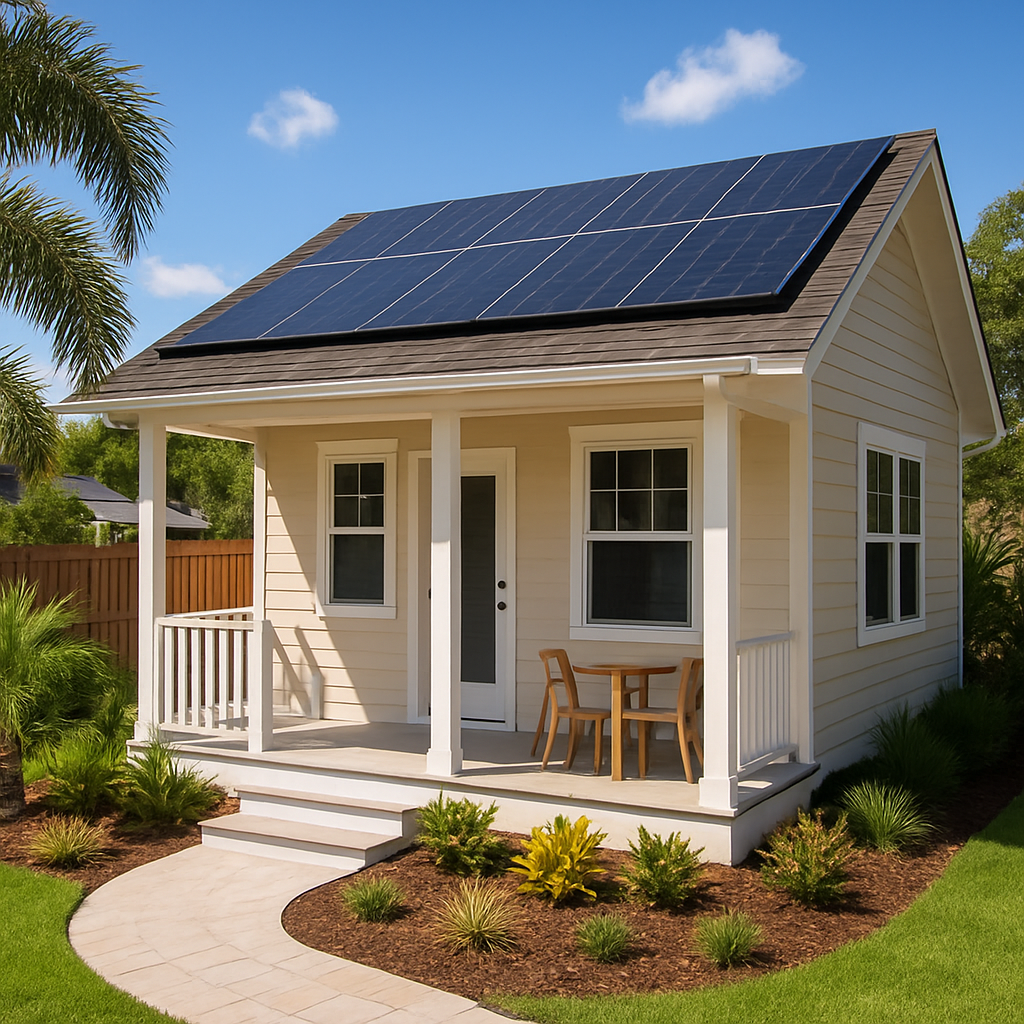
Planning and Designing Your ADU
Now that your permit is in hand and the inspections are behind you, the real fun begins: shaping the space that will become your accessory dwelling unit florida.
We’ve all stood in an empty lot, coffee in hand, wondering how that blank rectangle can feel like home. That moment of recognition is where planning meets imagination.
Start with a clear purpose
Ask yourself who will use the unit most often. Is it a grandma who needs a single‑level layout, a college student craving a private study nook, or a rental that should maximize square footage for income?
Pinning down the primary user helps you decide on bedroom count, bathroom placement, and accessibility features before you even draw a line.
Space planning basics
In our experience, a simple “zoning” of the floor plan—living area, kitchen, bedroom, bathroom—keeps traffic flow intuitive. Think of it like arranging furniture in a living room: you don’t want the sofa blocking the TV, and you don’t want the bathroom door swinging into the kitchen.
Sketch a rough bubble diagram on a napkin or use a free online planner. Mark where the main entrance lands, where natural light pours in, and where plumbing will run. That little map becomes the skeleton for your architect.
Choosing the right floor plan
Florida’s lot sizes vary, but most ADU projects fit within 500‑800 sq ft. A compact one‑bedroom with an open‑plan living/kitchen area often feels spacious, while a two‑bedroom layout works well for multigenerational families.
To see a range of tried‑and‑tested configurations, browse accessory dwelling unit floor plans and filter by square footage, number of bedrooms, and style. Even if you end up customizing, those templates give you a realistic sense of wall placement and room proportions.
Designing for Florida’s climate
Sunshine is a blessing and a challenge. Orient the longest wall toward the south to capture passive solar heat in winter, but add overhangs or pergolas to shade windows in summer.
Choose impact‑resistant windows and a roof system that meets Florida’s hurricane standards. In our projects, we often specify low‑e glass and insulated concrete forms; they keep the unit cool without screaming up the electric bill.
Budget‑friendly material choices
It’s easy to get dazzled by high‑end finishes, but a smart ADU balances durability with cost. Vinyl plank flooring mimics hardwood, resists moisture, and stays under $2 per sq ft. For countertops, quartz offers a sleek look without the maintenance of marble.
Don’t forget the little things: LED lighting, low‑flow fixtures, and a programmable thermostat shave dollars each month while boosting energy‑star compliance.
Future‑proofing and smart wiring
Even if you’re not a tech‑savvy homeowner now, wiring a conduit for future smart home devices saves you a wall‑tear later. A single low‑voltage run can feed smart switches, security cameras, or a thermostat without major remodels.
Think about adding a dedicated circuit for an electric vehicle charger if you or a future tenant might need one. It’s a small upfront cost that can become a major selling point.
And while you’re mapping out the electrical plan, remember Florida code requires GFCI protection in kitchens, bathrooms, and any outdoor outlets—something we always double‑check during the design phase.
Finally, create a checklist that walks you through each design decision: purpose, layout, climate considerations, material selections, and tech provisions. Review it with your contractor before the final drawings go to the county.
When the design is locked in, you’ll have a clear roadmap that keeps the budget on track and the timeline moving forward. That confidence is what turns an “maybe” ADU into a concrete, livable reality.
Financing and Permitting Your ADU
So you’ve nailed the layout, picked the finishes, and imagined the first coffee the new resident will brew. The next hurdle? Getting the money in the door and the paperwork signed off without pulling your hair out.
Understanding Your Financing Options
When it comes to an accessory dwelling unit florida, you don’t have to dip into your savings or chase a mysterious “ADU loan” that doesn’t exist. Most mainstream lenders treat an ADU the same way they treat a home improvement – it’s an eligible improvement that can be wrapped into a conventional mortgage, a renovation loan, or a construction‑to‑permanent loan.
In fact, Fannie Mae financing options for ADUs let borrowers use standard purchase, refinance or HomeReady loans to fund a brand‑new unit or remodel an existing one. The key is that the ADU must meet the basic definition: a separate living, sleeping, cooking and bathroom space that’s independent of the primary residence.
What does that mean for you? If you’re buying a home with an ADU already on it, you can roll the ADU’s value into your loan. If you’re building from scratch, a renovation loan can cover the construction costs, and a construction‑to‑permanent loan can finance both the main house and the ADU in one go. No exotic financing required, just a clear line item on your loan application.
Tip: ask your lender to run a “rental income add‑on” if you plan to rent the unit. The projected rent can boost your qualifying income, making it easier to secure a lower rate.
Permitting Checklist for Central Florida
Financing is only half the battle. In Volusia, Deltona, DeLand and surrounding counties, the permitting process is a series of small, but very specific, steps. Here’s the quick‑hit checklist we use with every client:
- Confirm zoning allows an accessory dwelling unit – look for “single‑family residential” districts and check setback requirements.
- Prepare site and floor plans that show independent egress, clear roof lines and separate utility meters if you’ll be billing the tenant.
- Submit structural calculations. Florida’s hurricane‑zone standards demand impact‑resistant windows, reinforced roof framing and proper anchorage.
- Include a drainage and grading plan. The county wants to see that water won’t pool around the new foundation.
- Pay the plan‑review fee – usually a few hundred dollars, varying by municipality.
- Schedule the first inspection (often a plan‑review or pre‑construction check) before you break ground.
Missing any of these items can pause the process for weeks, and the county will start charging reinstatement fees if your permit expires.
Common Pitfalls and How to Avoid Them
One thing we see time and again: homeowners assume the ADU can share a wall without fire‑rating the partition. In Florida, any shared wall between the primary house and the ADU must meet a 1‑hour fire‑rated assembly. It’s an extra cost up front, but it saves you a re‑inspection nightmare later.
Another snag is utility separation. If you plan to charge the tenant for electricity, water or internet, you’ll need either a sub‑meter or a separate service connection. Getting the electrician to install a dedicated panel early prevents a costly retrofit.
Finally, don’t underestimate the timeline. From permit submission to final sign‑off, a typical ADU in Central Florida takes 4‑6 months if everything’s in order. Build some buffer into your schedule, especially if you’re coordinating a rental start date.
Putting It All Together
Here’s a simple three‑step game plan:
- Run the numbers with your lender. Ask for a loan scenario that includes the ADU’s projected rent and any construction‑to‑permanent financing.
- Gather the required documents – site plan, structural calculations, grading plan – and submit them through the county’s Fast Track portal.
- Schedule inspections early, keep a checklist handy, and let a seasoned general contractor (like GL Lewis Construction Services) manage the day‑to‑day details so you can focus on the excitement of a new space.
When the financing is locked and the permit is approved, you’re essentially holding a green light. The rest is just watching the walls go up, the finishes fall into place, and eventually hearing that first “Welcome home!” from the new occupant.
Remember, the process feels daunting only until you have a roadmap. Break it down, lean on the right experts, and soon you’ll have a fully‑legal, fully‑financed accessory dwelling unit florida that adds comfort, income, and peace of mind to your property.
Construction Options and Materials for ADUs
When you start thinking about the actual walls, roof, and floor of your accessory dwelling unit florida, the choices feel a lot like picking ingredients for a good recipe. You want something that holds up to the heat, the occasional storm, and the day‑to‑day wear‑and‑tear, but you also don’t want to blow the budget.
Stick‑built vs. modular – which feels right for you?
Traditional stick‑built construction is the classic route: framing on site, drywall, and a roof crew climbing up the ladder. It gives you full control over layout tweaks, especially if you’re working around an existing garage or a quirky lot shape. The downside? It can add a few weeks to the schedule and labor costs go up when the crew has to juggle tight spaces.
Modular or panelized ADU kits are gaining traction in Central Florida. The pieces are fabricated in a climate‑controlled factory, then delivered and assembled in a day or two. You get tighter tolerances, less on‑site waste, and often a more predictable price tag. The trade‑off is you need to design around the module dimensions, and some homeowners feel they lose a bit of the “custom” vibe.
Smart material picks for Florida’s climate
Here’s where you start matching material performance to the sun‑soaked reality of the Sunshine State.
Walls: Insulated Concrete Forms (ICFs) are a favorite for their thermal mass – they keep the interior cool in summer and warm in winter without cranking the HVAC. If you’re on a tighter budget, advanced vinyl siding over a sturdy wood frame with spray‑foam insulation can do the trick and still meet the 2020 Florida Energy Conservation standards.
Roofing: Impact‑resistant shingles or metal panels with a high R‑value are essential for hurricane‑zone compliance. Metal roofs also reflect solar heat, cutting cooling costs. Pair that with a proper roof overhang or pergola to shade south‑facing windows.
Floors: Vinyl plank flooring mimics hardwood, handles moisture well, and stays under $2 per square foot. For a premium feel, consider polished concrete – it’s durable, low‑maintenance, and works great with radiant floor heating if you go that route.
Finishes that add value without drama
Think about what your future occupant (or you) will actually touch. Low‑flow fixtures, LED lighting, and quartz countertops give a high‑end look without the upkeep of marble. For cabinetry, prefabricated stock cabinets are a cost‑saver, but a quick paint‑and‑hardware upgrade can make them feel custom.
Don’t forget exterior curb appeal. A modest front porch with composite decking, native landscaping, and a few solar-powered pathway lights can boost resale value and meet any local design guidelines.
Future‑proofing on a budget
Even if you’re not planning a smart home today, running a conduit during construction for future low‑voltage devices costs pennies now and saves a wall‑tear later. A dedicated 240‑V circuit for an electric‑vehicle charger is another small upfront investment that can become a major selling point for renters.
And remember, every accessory dwelling unit florida must meet fire‑rating requirements for any shared wall. A 1‑hour fire‑rated assembly isn’t a negotiable shortcut – it’s part of the code and it protects everyone.
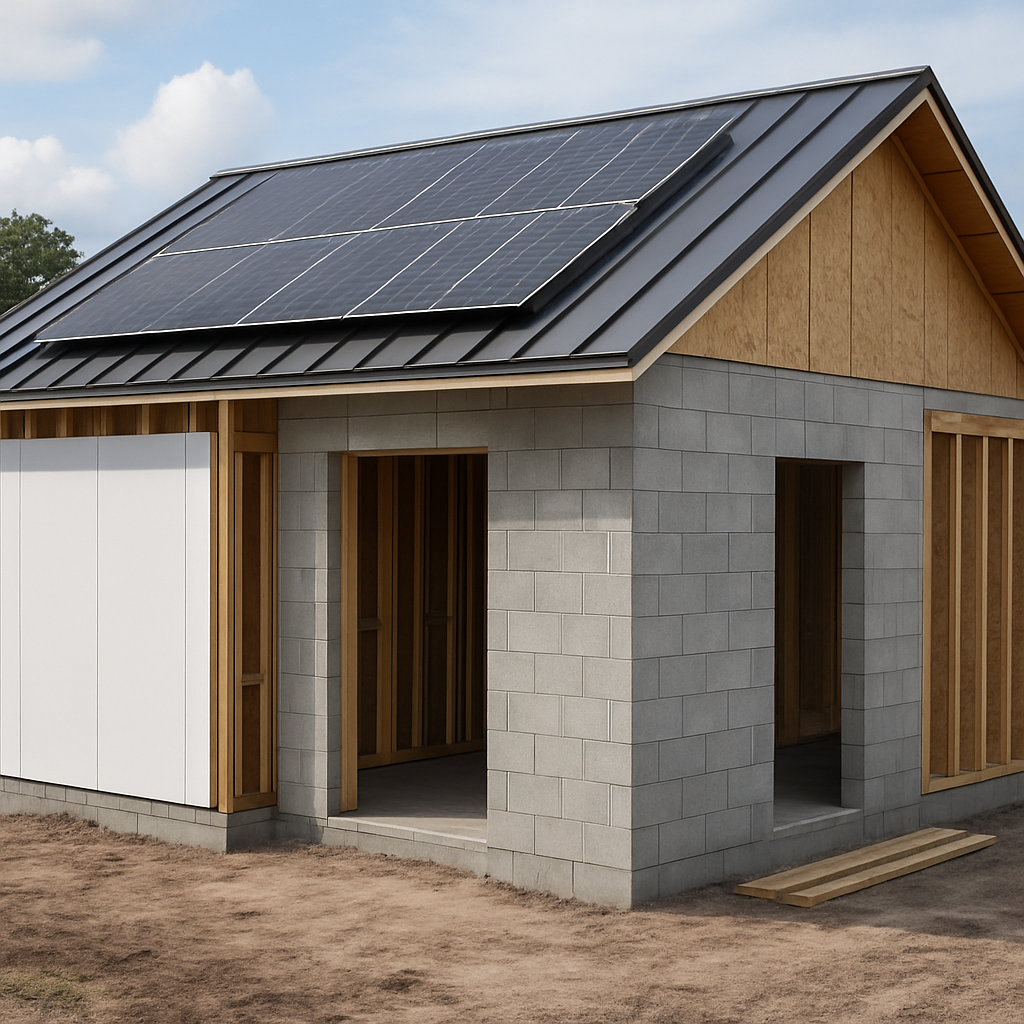
Quick comparison of the main construction routes
| Construction Type | Typical Materials | Key Pros / Cons |
|---|---|---|
| Stick‑built | Wood framing, drywall, vinyl siding, impact‑resistant shingles | Full design flexibility; longer schedule; higher on‑site labor cost |
| Modular / Panelized | Pre‑engineered wall panels, ICF or SIP cores, metal roofing | Faster build; tighter cost control; limited to module dimensions |
| Hybrid (ICF core + prefab finishes) | Insulated concrete forms, pre‑finished interior panels, metal roof | Best energy performance; higher upfront cost; strong durability |
Bottom line: pick the construction path that matches your timeline, budget, and how much you value customization. In our experience, homeowners who plan ahead for future tech and energy efficiency end up with an ADU that feels newer for longer and pays off faster as a rental or multigenerational space.
Maintaining and Renting Your ADU
Now that your accessory dwelling unit florida is standing, the real work begins: keeping it running smoothly and turning it into reliable rental income. It can feel like a lot, but break it into bite‑size habits and you’ll be fine.
Routine upkeep you can schedule once a month
Start with a quick visual walk‑through. Look for water stains around the kitchen sink, check that all GFCI outlets still have power, and make sure the HVAC filter isn’t clogged. A five‑minute check each month catches small issues before they become pricey repairs.
Next, test the smoke and carbon‑monoxide detectors. Florida code requires them in every sleeping area, so a simple button press confirms they’re alive. Replace batteries annually – set a reminder on your phone, and you’ll never forget.
Seasonal tasks for Florida’s climate
Summer brings humidity, which loves to sneak into hidden corners. Schedule a professional AC service before the heat peaks; the tech will clean coils, check refrigerant levels, and verify the system can handle the extra load from a tenant’s air‑conditioner.
When hurricane season rolls around, inspect roof flashing, window caulking, and any exterior seals. Even a tiny gap can let rain in, and a water‑logged ADU means mold, mold‑related health complaints, and a busted lease.
Keeping the unit tenant‑ready
Think about the little things that make a renter feel at home. Fresh paint in neutral tones, a set of sturdy shelving, and a well‑stocked starter kit (trash bags, basic cleaning supplies) go a long way. It also reduces turnover‑related wear and tear.
One tip we’ve seen work: install a single‑pane lock with a keypad. You can change the code between tenants without swapping hardware, and it adds a modern touch that renters appreciate.
Legal and paperwork basics
Florida law requires a written lease, security deposit limits, and clear disclosure of any utilities the tenant will pay. Keep a digital copy of the lease in a cloud folder, and back up inspection photos after each move‑in and move‑out.
Don’t forget the 180‑day rental rule in some counties – Pasco County, for example, only allows short‑term rentals under 180 days unless you get a special permit. The county’s ADU guidelines spell that out clearly Pasco County ADU guidelines. Staying compliant avoids fines and keeps your rental cash flow steady.
Setting the right rent price
Start with a quick market scan on local listing sites – note the square footage, amenities, and whether the unit includes a dedicated parking space. Add about 5‑7 % for the extra convenience of a brand‑new ADU.
Don’t forget to factor in your ongoing costs: property taxes, insurance, a slice of the mortgage, and the routine maintenance budget you just created. A simple spreadsheet with columns for “monthly expense” and “expected rent” helps you see the profit margin at a glance.
Screening tenants without overcomplicating
Use a standard application that asks for employment verification, rental history, and a reference. Run a credit check, but don’t let a single blemish automatically disqualify someone – a short‑term cash flow issue can be resolved with a larger security deposit.
Most importantly, trust your gut. If a prospective renter seems evasive during the conversation, it’s okay to keep looking. You’re protecting your investment and your peace of mind.
When things go wrong
If a repair pops up mid‑lease, respond within 24 hours. Quick communication builds trust and often encourages the tenant to take better care of the space. For larger issues, have a list of licensed local contractors (we work with a few reliable crews in Volusia) ready to jump in.
Document every repair request, the steps you took, and any costs incurred. That paper trail is useful if you ever need to adjust the security deposit at move‑out.
Planning for the future
Even if you’re not ready to add smart home features today, run conduit during any future remodels. It’s cheap now and will let you upgrade to smart thermostats or security cameras without tearing walls later.
Finally, treat your ADU like a small, self‑contained property. Set aside a “maintenance reserve” – about 1 % of the unit’s value each year – and you’ll never be caught off guard by an unexpected roof leak or appliance failure.
Keeping your accessory dwelling unit florida well‑maintained and responsibly rented isn’t rocket science. It’s about consistent checks, clear paperwork, and a little foresight. Follow these habits, and you’ll enjoy a steady stream of income while preserving the comfort of your new space.
FAQ
What exactly is an accessory dwelling unit in Florida and how is it different from a regular garage conversion?
In Florida, an accessory dwelling unit (ADU) is a separate, self‑contained living space that has its own entrance, kitchen, bathroom and sleeping area. A garage conversion can become an ADU, but the key difference is that the space must meet the state’s building, fire‑rating and egress requirements, and it’s recorded as a distinct dwelling on the tax roll. That means you can rent it out or use it for multigenerational living, whereas a simple storage‑only garage doesn’t qualify.
Do I need a separate permit for an accessory dwelling unit in Volusia County?
Yes. Volusia County treats an ADU as a new structure, so you’ll file a building permit distinct from any existing home permits. The process starts with a zoning check, then you submit site plans, floor plans and structural calculations through the county’s Fast Track portal. Expect a modest plan‑review fee and at least one pre‑construction inspection before you break ground. Getting the paperwork right the first time saves weeks of delay.
How much does it typically cost to build an accessory dwelling unit in Central Florida?
Costs vary widely, but most homeowners see a range between $80 000 and $150 000 for a 500‑to‑800 sq ft unit built with stick‑frame methods. Modular kits can shave 10‑15 % off labor costs, while insulated‑concrete‑form (ICF) walls add a premium for energy performance. Don’t forget soft costs – design fees, permits, utility hookups and a 1 % maintenance reserve each year. A realistic budget includes a 10 % contingency for unexpected site work. When you compare stick‑built versus modular, remember that modular often reduces onsite waste and shortens the schedule, but you’ll need to coordinate delivery lanes and crane access on your lot. Also factor in permitting fees that can run $300‑$600 depending on the municipality.
What are the key design considerations for an accessory dwelling unit in Florida’s climate?
The longest wall should face south to capture winter sun, then add overhangs or pergolas to block the harsh summer heat. Choose impact‑resistant windows and a roof system that meets hurricane‑zone standards; metal panels or rated shingles work well. Insulation is your best friend – spray‑foam or ICF walls keep the interior cool without cranking the AC. Finally, plan for a separate mechanical system so the ADU can operate independently from the main house. Cross‑ventilation through operable windows on opposite walls helps pull in breezes and reduces reliance on the HVAC unit. Incorporate a rain‑shielded balcony or screened porch to give tenants an outdoor retreat while keeping insects out. Selecting low‑e glass with a solar heat‑gain coefficient below 0.30 cuts cooling loads by up to 15 %.
Can I rent out my accessory dwelling unit year‑round, and what rental rules apply?
Most Central Florida jurisdictions allow long‑term rentals of an ADU, but you must follow local lease‑law requirements: a written lease, security‑deposit limits and clear utility disclosures. Some counties, like Pasco, cap short‑term rentals at 180 days unless you obtain a special permit. Check the zoning district for any “owner‑occupied” clauses – a few cities only permit ADUs if the primary residence is owner‑occupied. Staying compliant avoids fines and protects your cash flow.
How do I ensure my accessory dwelling unit meets Florida’s fire‑rating and energy codes?
The state requires any shared wall between the primary home and the ADU to be a 1‑hour fire‑rated assembly. Use fire‑rated gypsum board or a fire‑resistive stud system and get the contractor’s sign‑off. Energy code compliance means meeting the 2020 Florida Energy Conservation standards: proper R‑value insulation, low‑e windows and a high‑efficiency HVAC unit. A quick pre‑inspection by a licensed code consultant can catch gaps before the final county walkthrough.
What maintenance habits should I adopt to keep my accessory dwelling unit Florida‑ready?
Schedule a monthly walk‑through: look for water stains, test GFCI outlets and check that the AC filter isn’t clogged. Before hurricane season, inspect roof flashing, window caulking and any exterior seals – even a tiny gap can let water in. Keep a digital log of all inspections, repairs and receipts; that paper trail is gold when you need to adjust a security deposit or prove compliance during an audit.
Conclusion
We’ve walked through everything from zoning checks to final inspections, so by now you can see that an accessory dwelling unit florida is less myth than manageable project.
Think about the moment you hand the keys to a tenant, or watch your parents settle into a senior‑friendly studio. That feeling of having turned a blank lot into a livable, code‑compliant space is the real reward.
Remember the three pillars we kept returning to: solid planning, strict code compliance, and proactive maintenance. If you keep those front‑and‑center, the paperwork stays tidy, the inspections run smoothly, and surprise costs stay low.
So, what’s the next step? Grab a quick checklist, line up a licensed contractor who knows Florida’s fire‑rating rules, and schedule that pre‑inspection before you break ground. A little foresight now saves weeks of delay later.
And if you’re wondering who can help you stitch all these pieces together, GL Lewis Construction Services has been guiding homeowners through ADU projects across Central Florida for years. A short call can clarify any lingering questions.
Bottom line: an accessory dwelling unit florida can boost your property’s value, provide flexible living space, and generate steady income—once you follow the roadmap we’ve laid out. Ready to start building?