
Ever walked into a stale office space and thought, ‘This could look so much better if someone actually understood what a business needs in Central Florida?’ That’s the exact moment we know many owners feel stuck.
Finding a commercial remodeling contractor Central Florida that gets the local climate, the zoning quirks, and the fast‑paced rhythm of Orlando‑area commerce isn’t easy. You’ve probably tried a few firms, only to get vague timelines or surprise cost overruns.
What we’ve learned over a decade is that the best projects start with a simple conversation. We sit down, walk through the space, and listen to the day‑to‑day challenges – from cramped break rooms to outdated HVAC that can’t handle the humidity.
Then we translate those pain points into a clear, step‑by‑step plan: design concepts that respect your brand, engineering that meets Florida Building Code, and a realistic budget that leaves room for unexpected permits. In our experience, breaking the remodel into three phases – discovery, design‑build, and punch‑list – keeps everyone on the same page.
You might wonder, ‘How long will it take?’ Typical office remodels in Central Florida run anywhere from eight to twelve weeks, depending on scope and permitting speed. We always flag potential delays early, like county review times, so you’re never caught off guard.
Another common worry is cost. While each project is unique, most commercial tenants see a 10‑15% boost in productivity after a well‑executed remodel – and that often translates into higher revenue. It’s not just about fresh paint; it’s about creating an environment that supports your team’s flow.
If you’re a retailer, a medical suite, or a coworking space, think about the specific needs: ADA compliance, patient privacy walls, or flexible plug‑and‑play workstations. Tailoring the design to those details is where a seasoned contractor adds real value.
So, what’s the next step? Start with a quick, no‑obligation chat. We’ll map out your goals, flag any code considerations, and give you a realistic timeline before any paperwork is signed.
TL;DR
If you need a reliable commercial remodeling contractor Central Florida can turn a dated office into a productive, code‑compliant space, we’ve got the proven process to deliver on time and on budget.
Schedule a quick, no‑obligation chat and we’ll map your goals, flag permitting hurdles, and outline a realistic timeline.
Step 1: Assess Your Commercial Space Needs
First thing you notice when you walk into a dated office is the way the space just doesn’t flow – the break room feels cramped, the lighting is harsh, and the layout forces people to zig‑zag around each other. That’s the exact moment we ask ourselves, “What is really holding this business back?”
We walk the space, notebook in hand, and ask the people who use it daily what frustrates them. Is the HVAC humming louder than the printer? Are there dead Wi‑Fi spots? Do you need more private rooms or flexible desks? Those answers become our baseline.
Map the functional zones
Next we sketch a simple zone map: high‑traffic spots like reception and kitchen, quiet zones for focus, and utility areas. The visual reveals wasted square footage and opportunities – a retailer might see the stockroom eating prime showroom space.
While mapping we check basics – ADA access, egress routes, and fire‑code. Orlando’s humidity also flags potential water‑intrusion, so we note it early. A quick chat with a local commercial build‑out service can confirm code expectations.
With the list in hand we draft a rough budget: demolition, new finishes, HVAC, lighting, and a 10% contingency for permits and impact fees that Orlando often adds.
Tip: bring in your lighting partner early. LED Artistry offers outdoor and interior solutions that meet energy codes and add a premium look, saving re‑work later.
Permitting in Central Florida can add weeks to the schedule, especially for projects that touch fire‑rated walls or require mechanical upgrades. We recommend submitting the full set of drawings to the county planning department early and following up twice a week. A proactive approach often shaves 10‑15 days off the overall timeline.
Involve key users early – managers, IT staff, and front‑desk personnel. Their input shapes the layout and avoids costly change orders later. A short workshop where you walk through the zone map together builds buy‑in and keeps the project on track.
Consider low‑VOC paints and ENERGY STAR‑rated HVAC units. These choices not only meet Florida’s green building incentives but also improve indoor air quality for your team.
Watch the short clip to see a typical office remodel sequence – demolition, framing, finishes, and punch‑list. Notice how trades are coordinated to keep the schedule tight.
Smart tech is now a must‑have. Adding occupancy sensors or automated shading can cut utility bills by up to 15%. For a deeper dive, see the home automation guide, which, while Dubai‑focused, shares universal principles.
Finally, bundle the zone map, compliance checklist, budget, and tech recommendations into a concise “needs assessment” document. Share it with stakeholders to set the stage for the design phase.
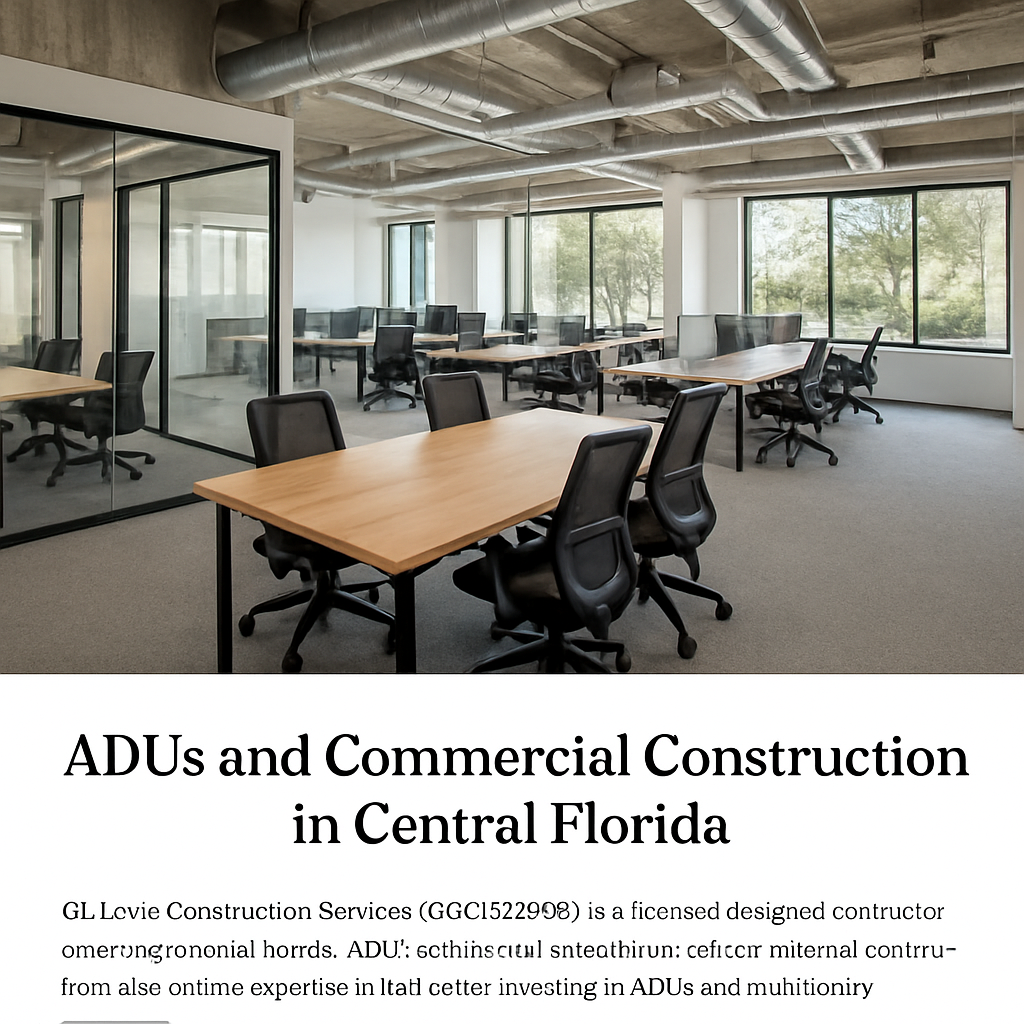
Finish this step with a clear picture of where you are, where you want to be, and what it’ll cost – the perfect launchpad for a smooth remodel with a trusted commercial remodeling contractor Central Florida. And remember, a well‑planned assessment sets the tone for a remodel that pays for itself in productivity gains.
Step 2: Design and Budget Planning for Commercial Remodeling
Now that you’ve mapped out the pain points, it’s time to turn those notes into a concrete design and a realistic budget. This is where the vision meets the bottom line, and a good commercial remodeling contractor Central Florida can help you keep both in sync.
First, sketch a rough layout that addresses the workflow gaps you identified. Don’t worry about perfect line work – think in zones: reception, workstations, storage, and utilities. Sketches let you see how a new wall or a relocated HVAC unit will change traffic flow before any concrete is poured.
Next, bring the sketch to a qualified design partner. At GL Lewis Construction Services we typically start with a 3‑D model that layers in code‑required clearances, ADA pathways, and the structural envelope. Seeing the space in a virtual walk‑through helps you spot clashes early and prevents costly change orders later.
Budget Buckets
• Code‑critical items – HVAC, fire protection, structural upgrades. These are non‑negotiable and usually consume the largest slice of the budget.
• Core functional upgrades – new lighting, flooring, or modular walls that directly improve productivity.
• Aesthetic enhancements – branding graphics, acoustic panels, or upgraded finishes that boost morale but don’t affect compliance.
A common rule of thumb we’ve seen work is 40 % for code‑critical, 30 % for functional, and 30 % for aesthetics. Adjust the ratios if your project leans heavily toward one category – for example, a medical suite might push functional items to 40 % because of specialized equipment.
Now ask yourself: how much contingency should you build in? In Central Florida the weather can swing from sunny to a sudden thunderstorm, and permitting timelines can stretch. We recommend adding at least 10 % to the total budget as a safety net. That way a surprise code amendment or a material price hike won’t derail the schedule.
Speaking of permitting, it’s worth noting that the Florida Building Code varies by county. Before you lock in numbers, run a quick check with the local building department or let your contractor pull the latest requirements. A small oversight – like an undersized stair tread – can add weeks and thousands of dollars to the project.
If you’re looking for a strategy that reduces weather‑related delays while keeping the budget tight, consider shell construction. By completing the building’s core envelope first, you create a weather‑proof “shell” that lets interior trades work in a controlled environment. This approach has helped many Central Florida businesses stay on schedule and avoid surprise costs. Learn more about the benefits of shell construction.
Here’s a quick walkthrough of how we translate a design concept into a budget line‑item list. Watch the video to see the process in action.
Notice how each trade‑package is assigned a cost code and a timeline. That level of detail makes it easy to compare estimates, negotiate with suppliers, and keep stakeholders informed.
Finally, create a simple spreadsheet that tracks three columns: Item, Estimated Cost, and Status (Approved, Pending, Revised). Update it weekly as bids come in. When a line item moves from “Pending” to “Approved,” move the corresponding amount from your contingency bucket into the core budget. This habit keeps the financial picture crystal clear.
A quick tip: color‑code the rows by the budget buckets we discussed earlier. Green for code‑critical, blue for functional, and orange for aesthetics. At a glance you’ll see if one bucket is bleeding into another, and you can adjust scope before the next milestone.
So, what’s the next move? Pull together your sketches, the 3‑D model, and the budget spreadsheet, then schedule a design‑build kickoff with your commercial remodeling contractor Central Florida. We’ll review the numbers, flag any permitting red flags, and lock down a realistic timeline that respects your business’s rhythm.
Step 3: Navigating Permits and Regulations in Central Florida
Now that the design and budget are solid, the next hurdle is securing the right permits. A commercial remodeling contractor Central Florida must coordinate with city and county building departments, as a missing permit can add weeks and thousands of dollars to your schedule.
Identify the Permits Your Project Needs
Start by mapping the scope of work. New walls, HVAC changes, or altered egress routes usually require a building permit. Electrical upgrades, plumbing modifications, and fire‑sprinkler work each have their own permit categories. If structural elements are involved, a structural engineering review is mandatory under the Florida Building Code.
Gather Required Documentation
Most jurisdictions ask for a site plan, detailed floor‑plan, and construction drawings stamped by a licensed architect or engineer. For commercial projects in Orlando, you’ll also need a certificate of occupancy if the space changes use type. Don’t forget the energy‑code calculations (REScheck or similar) for lighting and HVAC efficiency.
Submit Early and Track the Review
File the permit package at least two weeks before the planned start date. Central Florida building departments review applications within 5‑10 business days, so the buffer helps avoid surprises. Keep a digital copy of every file in a clearly labeled folder—e.g., “Orlando_Building_Permit_2026_01”—so you can resend revisions quickly.
After submission, log into the county’s online portal to monitor status. If a permit shows “pending clarification,” reach out promptly; a quick phone call often resolves questions faster than an email exchange.
Prepare for Inspections
Each major phase—rough‑in, fire‑sprinkler, final—requires an on‑site inspection. Schedule inspections with 24‑hour notice and verify that the work matches the approved drawings before the inspector arrives. Common issues include missing fire‑rating labels on walls; a simple label fix can clear the item instantly.
Mind Local Variations
While the Florida Building Code provides the baseline, cities such as Winter Park, Altamonte Springs, and Kissimmee add design guidelines for historic districts or flood‑prone zones. A commercial remodeling contractor Central Florida who knows these nuances can prevent costly redesigns.
For example, a recent office remodel in Lake Mary required an elevated electrical panel because the property sits within a 100‑year floodplain. The additional $3,000 expense kept the project compliant and avoided future insurance issues.
Final Permit Checklist
- Confirm a valid, stamped building permit for each trade.
- Verify all subcontractors hold required licenses and know the permit numbers.
- Keep a printed copy of the permit on site for inspector review.
- Maintain a log of inspection dates, outcomes, and corrective actions.
- Set reminders for permit expirations—many need renewal after 180 days.
Treating permits as a project milestone, not an afterthought, keeps your remodel on schedule and protects your investment. When you’re ready to navigate the permitting maze with a knowledgeable partner, schedule a consultation to discuss a permit strategy.
Step 4: Selecting Materials and Contractors – Cost vs. Value Comparison
When you’re staring at a stack of quotes, the first thing that pops into your head is usually the price tag. And that’s natural – you’ve got a budget, a deadline, and a business that can’t afford surprises.
But what if I told you that the cheapest line‑item isn’t always the smartest investment? In our experience, the sweet spot sits somewhere between “just enough to get the job done” and “premium‑only‑if‑it‑pays‑for‑itself.” Let’s break that down together.
What really drives cost?
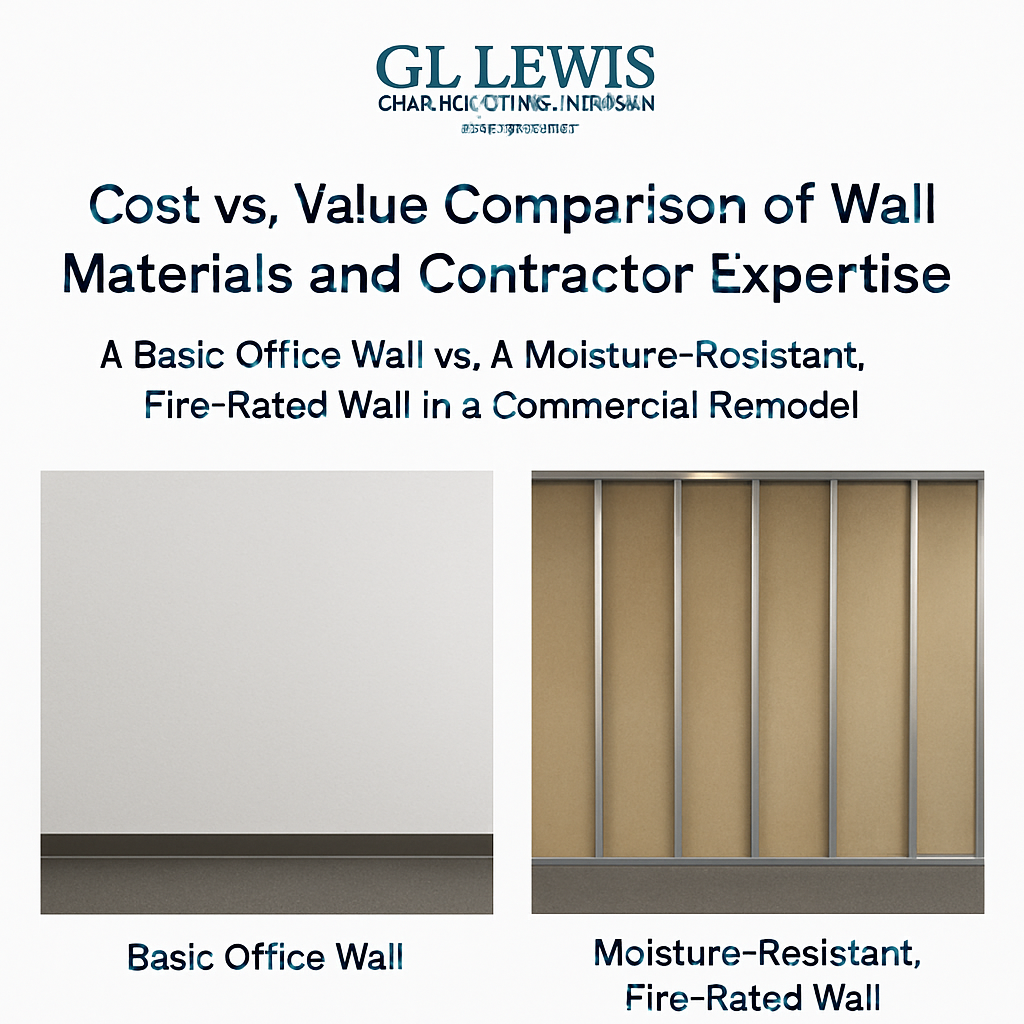
Material choice is the most obvious lever. A basic gypsum wall board might save you a few thousand dollars, but it can also mean more frequent repairs in a humid Central Florida office. On the flip side, a higher‑grade moisture‑resistant board costs more up‑front but can extend the wall’s life by years, especially near kitchenettes or medical suites.
Contractor expertise is the other hidden variable. A crew that knows the local permitting nuances can shave weeks off the schedule – and time is money. Remember the Lake Mary office that added an elevated electrical panel? The $3,000 extra was a cost‑saving move that kept the project on track and avoided insurance headaches.
So, how do you compare?
| Decision Factor | Low‑Cost Approach | Value‑Driven Approach |
|---|---|---|
| Wall Materials | Standard gypsum board | Moisture‑resistant, fire‑rated panels |
| Flooring | Basic carpet tiles | Impact‑resistant vinyl with low‑VOC sealant |
| Contractor Selection | Lowest bid, limited local experience | Mid‑range bid from a contractor familiar with Central Florida codes and weather‑proofing |
Notice how the “value‑driven” column isn’t just about price – it’s about durability, compliance, and future‑proofing. Those extra dollars often translate into lower maintenance costs and fewer change‑orders down the line.
Quick cost‑vs‑value checklist
- Ask for a detailed breakdown: labor, material grade, permit fees, and contingency.
- Verify that the contractor includes local permit handling – it can add 10‑15% to the timeline if missed.
- Consider lifecycle costs: how often will you need to replace or repair this component?
- Check references for projects in similar zones (e.g., flood‑plain, historic district).
Do you ever wonder why two seemingly identical projects end up with wildly different totals? It often comes down to one thing: the contractor’s knowledge of regional quirks like hurricane‑zone requirements or wet‑area waste disposal.
For example, a commercial demolition in Orlando can range from $4 to $10 per square foot depending on material type and permitting complexity (see cost factors). Knowing those numbers helps you gauge whether a higher‑priced contractor is actually saving you money elsewhere.
If you’re leaning toward a “shell first” strategy, you might find that the initial investment in a solid building envelope pays off in faster interior fit‑out times and better climate control – a key advantage in Central Florida’s humid climate (learn more about shell construction benefits). That approach can also reduce weather‑related delays, which often eat into budgets.
Bottom line: treat each line item as a mini‑ROI calculation. If the payoff isn’t clear, ask the contractor to walk you through the numbers. A transparent quote that separates “material cost” from “value add” is a good sign of a partner who’s thinking long‑term, not just about the paycheck.
And remember, the cheapest option today can become the most expensive tomorrow. Choose materials and a contractor that balance upfront spend with durability, code compliance, and the ability to keep your project on schedule.
Ready to compare quotes with confidence? Grab a copy of this checklist, line it up against each proposal, and you’ll see which offer truly delivers value.
Step 5: Project Management, Timeline, and Post-Construction Support
Once the design and budget are locked, the real test begins: turning paper into a space that actually works for your team. That’s where a commercial remodeling contractor Central Florida steps in as your project manager, timeline keeper, and after‑care partner.
We like to think of the process in three overlapping phases – kickoff & coordination, controlled execution, and post‑build warranty care. Each phase has its own checklist, decision‑points, and a clear owner so you never wonder who’s responsible for the next move.
Kickoff & Coordination
First, we gather everyone – you, the architect, the engineers, and the subcontractors – for a short, focused meeting. The goal? Align expectations, confirm code requirements, and lock down the master schedule.
- Assign a single point of contact. Our on‑site manager becomes your voice, fielding questions and surfacing risks before they snowball.
- Create a shared digital timeline. We use a cloud‑based Gantt view that all trades can update in real time. That way you see, for example, when the HVAC rough‑in finishes and the drywall crew can start.
- Set milestone approvals. At the end of each major step – foundation, envelope, interior fit‑out – we walk the space together and sign off. It’s a simple “yes/no” that keeps the budget on track.
Imagine a medical suite in Orlando that needed a new clean‑room wall. By confirming the wall‑type and fire‑rating during kickoff, we avoided a costly re‑order that would have delayed the project by two weeks.
Controlled Execution
During construction we run a daily “stand‑up” on the job site. It’s a five‑minute check‑in: what was completed yesterday, what’s planned today, and any blockers. This habit mirrors the agile style many tech teams love, but it works just as well on a construction site.
Key actions during execution:
- Track actual versus planned dates. If a trade falls behind, we re‑sequence work to keep critical path items moving.
- Document every change order in writing, including cost impact and new completion dates.
- Conduct mandatory inspections at rough‑in, fire‑sprinkler, and final stages. We schedule inspectors ahead of time so the crew isn’t idling.
One retail remodel in Winter Garden hit a surprise when the county required an upgraded egress door. Because we had a 10 % contingency and a pre‑approved alternate door spec, the switch happened in a single day and the overall timeline stayed intact.
Post‑Construction Support
When the punch‑list is signed, most contractors disappear. Not us. Our post‑construction phase is designed to protect your investment and give you peace of mind.
- Comprehensive handover package. You receive as‑built drawings, warranty information, and a maintenance schedule tailored to Central Florida’s humidity and hurricane‑season considerations.
- 30‑day snag walk. Our team returns for a walkthrough, fixes any minor issues, and verifies that systems – especially HVAC and fire‑suppression – are performing as expected.
- Annual check‑in. We schedule a brief site visit or virtual review after 12 months to catch wear‑and‑tear early and advise on any code updates that may affect you.
For example, a coworking space in Lake Nona asked us to revisit the acoustic ceiling after six months because employee feedback indicated echo problems. We adjusted the ceiling tiles, and the client saw a 20 % drop in noise complaints – all covered under our warranty.
Expert Tips to Keep Your Project on Track
– Build a realistic timeline. In Central Florida, weather can add 5–7 days of rain‑related delay. Add that buffer up front instead of scrambling later.
– Maintain a live budget tracker. Spreadsheet or software, just keep it updated weekly. Spot a $2,000 variance early and you can re‑allocate funds before the next milestone.
– Communicate early, not later. If a subcontractor flags a code conflict, bring it to the coordination meeting immediately. Early dialogue saves weeks of rework.
– Leverage the contractor’s local knowledge. Our team knows which Orlando permits tend to move fast and which ones linger, so we schedule submissions strategically.
By treating project management, timeline, and post‑construction support as a continuous loop rather than three isolated steps, you turn a remodel into a predictable, low‑stress experience. That’s the kind of partnership a commercial remodeling contractor Central Florida should provide – one that sticks around long after the final coat of paint dries.
FAQ
What should I look for when hiring a commercial remodeling contractor Central Florida?
First, verify the contractor holds a Florida state license (CGC1528896 for GL Lewis Construction Services) and carries appropriate insurance. Look for a portfolio that includes projects similar to yours—office fit‑outs, retail build‑outs, or medical suites—in the Orlando‑Winter Garden corridor. Ask about their permitting process; a contractor who handles code reviews and city approvals will keep the schedule on track. Finally, check references from local businesses to gauge communication style and post‑construction support.
How long does a typical office remodel take in Central Florida?
Most mid‑size office remodels run between eight and twelve weeks, but the timeline hinges on scope, permitting speed, and weather. A clear design package can shave two weeks, while a rainy week in July might add five to seven days. We always build a 10 % buffer into the schedule to absorb unexpected code changes or material lead‑times, so you won’t be caught off guard.
What permits are required for a commercial remodel in Orlando and surrounding counties?
Every commercial renovation needs a building permit, and many projects also require electrical, plumbing, and fire‑sprinkler permits. In Orlando, a certificate of occupancy is required if the use type changes. Winter Park and Kissimmee may add historic‑district reviews or flood‑plain considerations. Your contractor should submit the full package—site plan, stamped drawings, and energy‑code calculations—at least two weeks before the start date and track approvals online.
How can I control budget overruns during a commercial renovation?
Start with a detailed line‑item estimate that separates code‑critical items, functional upgrades, and aesthetic finishes. Keep a live spreadsheet and update it weekly as bids arrive. Set a contingency of at least 10 % for weather delays or surprise code amendments. Whenever a change order arises, get it in writing with cost impact and revised timeline before work proceeds. Regular budget reviews with your contractor catch variances early.
What are the most common code challenges for commercial projects in Central Florida?
Humidity‑driven moisture issues often trigger stricter wall and ceiling material requirements. Flood‑plain zones in Lake Mary or Altamonte Springs may demand elevated electrical panels. ADA compliance—proper doorway widths, reachable switches, and accessible routes—frequently trips up projects that skip early code reviews. A contractor familiar with the Florida Building Code and local amendments can identify these hurdles during the design phase, preventing costly re‑work.
Can I stay in my business while construction is ongoing?
Yes, but plan for phased occupancy. Identify low‑traffic zones for demolition and schedule noisy trades—like drywall or HVAC rough‑in—outside of peak business hours. Temporary barriers and clear signage keep customers and employees safe. A well‑coordinated construction manager will map out a phased schedule so you can continue serving clients while the remodel progresses in other areas.
What post‑construction support can I expect from a commercial remodeling contractor Central Florida?
After the punch list is signed, a reputable contractor provides a handover package that includes as‑built drawings, warranty documents, and a maintenance schedule tuned to Central Florida’s humidity and hurricane season. Expect a 30‑day snag walk to fix minor issues, then an annual check‑in to assess wear and any new code updates. Ongoing support ensures your space stays functional and compliant long after the paint dries.
Conclusion
We’ve walked through everything from assessing your space to navigating permits, budgeting, and the hands‑on support you get after the paint dries. If any part felt overwhelming, that’s normal – commercial remodels in Central Florida have a lot of moving pieces.
What really matters is partnering with a commercial remodeling contractor Central Florida who knows the local code quirks, can keep your business open during construction, and sticks around for that 30‑day snag walk and annual check‑ins. Those little extra steps are what turn a good remodel into a hassle‑free investment.
Think about the last time you tried a DIY fix and it ended up costing more in time and money. A seasoned contractor saves you from those hidden fees by catching issues early – whether it’s an elevated electrical panel in a flood‑plain zone or an ADA doorway that would otherwise require a costly re‑work.
So, where do you go from here? Grab a notebook, jot down the three questions we started with, and reach out for a no‑obligation chat. We’ll map your goals, flag any permitting red flags, and give you a realistic timeline before any paperwork is signed.
Remember, a well‑planned remodel not only boosts productivity but also protects your investment against Florida’s humidity and hurricane season. Let’s make your space work for you, not the other way around.